
Inland Empire · California
Bat removal in Fontana, California
Fontana sits in San Bernardino County’s Inland Empire basin between Rancho Cucamonga and Ontario to the west and San Bernardino and Rialto to the east. Large residential tracts plus industrial and logistics roofs near the I-10 and I-15 corridors create warm-season bat pressure. California Bat Removal Pros provides humane bat inspection, one-way exclusion, sealing with custom inserts (not spray foam) and optional attic guano cleanup, with a two-year written warranty on whole-structure work.
Bats likely in Fontana (San Bernardino County)
Based on known California ranges and Fontana's habitat, these are the species most likely around local buildings. Which bat is in your roof is confirmed at inspection. The San Gabriel foothills to the north and the Santa Ana River corridor and open space to the south-southwest provide foothill and river-corridor forage near residential and industrial areas.
- Mexican free-tailed bat (Tadarida brasiliensis): The bat we most often find in Southern California buildings. Colonies use tight, hot gaps: under clay tile, in expansion joints, behind fascia and in bridge seams.
- Big brown bat (Eptesicus fuscus): A sturdy, adaptable species that roosts in attics, wall voids and soffits. It tolerates cooler weather and may stay in structures outside summer.
- Pallid bat (Antrozous pallidus): A California Species of Special Concern found in drier, inland and foothill country. It sometimes roosts in barns, attics and outbuildings. Extra care with timing is warranted.
- Canyon bat (Parastrellus hesperus): A tiny bat of rocky, arid foothills and canyons that often flies at dusk. It mostly uses rock crevices but occasionally uses building gaps.
- Yuma myotis (Myotis yumanensis): Closely tied to water. It forages low over rivers, ponds and channels and will roost in buildings and under bridges nearby.
- Western mastiff bat (Eumops perotis): California's largest bat and a Species of Special Concern. It mostly roosts in high cliff crevices and occasionally in tall buildings. You are more likely to hear its loud calls overhead than to find it in a house.
More detail: California bat species guide.
Fontana roof types & where bats get in
Postwar and later stucco tracts with composition shingle or concrete tile, continuous soffits and fascia details; newer tile-roof neighborhoods; and large flat-roof logistics and industrial buildings near the I-10 and I-15 corridors.
Entry points we check first on Fontana homes:
- clay or concrete tile ridge and eave closures (bird stops missing or broken)
- gaps where fascia board meets stucco or the roof deck
- gable and attic vents with torn or missing screens
- parapet caps, coping and expansion joints on flat or low-slope roofs
- ridge vents and the ends of ridge caps
Bats can fit through gaps of about 3/8 inch (California Dept. of Food & Agriculture vertebrate pest handbook). Not sure? Use our signs-you-have-bats checklist.
Fontana climate & bat season
Fontana has hot, dry Inland Empire summers and cooler winter nights. Regional Santa Ana winds can lift tile edges, loosen ridge caps and tear vent screens. Colonies follow the spring–summer pup cycle, so most exclusions land in fall, winter or early spring.
Maternity season rules for Fontana bat exclusion
California treats bats as protected nongame mammals, so they may not be killed, poisoned or trapped. Exclusion is the humane, legal route. UC IPM advises against excluding colonies when flightless young could be present, usually May through September in California, because the parents get shut out and the pups starve inside the walls. We inspect and plan during that window, then exclude once the pups can fly. Fall, winter and early spring are the usual exclusion months. The CDFW bats page covers safety and conflict guidance, and you can report a colony to CDFW. Timing source: UC IPM bats. Guano health: CDC on histoplasmosis.
Is it safe to evict bats now? Check the seasonLocal housing & attic patterns in Fontana
Most Fontana housing is postwar and later stucco with composition shingle or concrete tile, continuous soffits and fascia-to-stucco joints that open with heat and age. Newer tracts add ridge vents and incomplete bird stops at tile eaves. Along the freeway and rail logistics corridors, flat-roof warehouses and distribution buildings bring parapets, coping and expansion joints—a different scale of roost from a house attic. We scope residential and commercial jobs separately with the same humane methods, and we map the full envelope before exclusion devices go on.
Bat seasonality around Fontana
Inland Empire summers are long and hot, so maternity colonies in warm attics and under tile are busiest from spring through summer. UC IPM advises against colony exclusion while flightless young may be present, usually May through September in California. Fontana also sees regional Santa Ana wind events that can lift tile edges, loosen ridge caps and tear vent screens—opening new gaps bats can use. Late fall and winter are usually the right window to exclude and to repair wind-damaged entries before spring.
Neighborhoods & landmarks we know
We cover Fontana’s residential neighborhoods and the industrial and logistics district near the I-10 and I-15. Nearby cities we also serve include Rancho Cucamonga, Ontario, San Bernardino, Rialto, Pomona, Riverside and Corona. Natural foraging context includes the San Gabriel foothills to the north and the Santa Ana River corridor and open space to the south-southwest—foothill and river-corridor forage that supports dusk insect activity without implying a roost on any specific property.
Why hire a local Southern California crew
Inland UV, summer heat and Santa Ana winds break down bargain foam quickly. We seal with custom inserts and clear products built for IE roofs, document work for homeowners, HOAs and warehouse facilities teams, and route Fontana jobs with nearby Ontario, Rancho Cucamonga and San Bernardino work when schedules allow.
- Bat specialists since 2011 — bats are our flagship service
- Documented inspection: openings numbered, photographed, primary vs. secondary
- Targeted repair or whole-structure seal (warranty on whole-structure)
- Humane one-way exclusion · maternity timing per UC IPM (usually May–September)
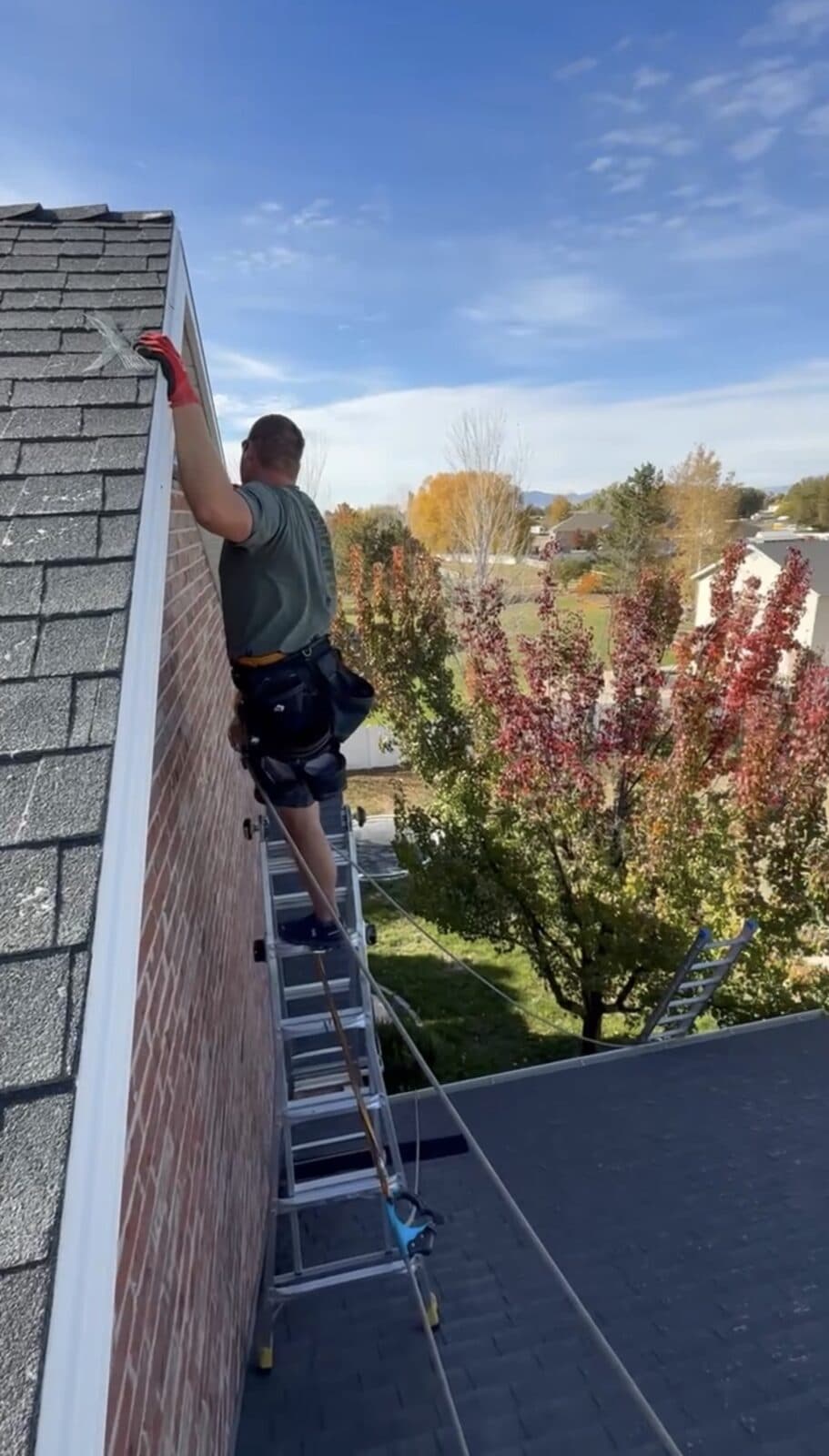
- High-rise / rope-access capacity for elevated buildings
- We finish failed prior jobs—remove old foam and devices
- Two-year written warranty on sealed whole-structure work
- Local owners, California coverage, backed by a multi-state team
Typical Fontana jobs start with a phone consultation, then an attic inspection, followed by humane exclusion and optional guano cleanup. Commercial properties can use our commercial bat removal program.
Fontana bat removal FAQ
Fontana & Inland Empire nearby
- Ontario bat removal
Inland Empire
- Rancho Cucamonga bat removal
Inland Empire foothills
- San Bernardino bat removal
Inland Empire
- Pomona bat removal
Inland Empire / East LA corridor
- Riverside bat removal
Inland Empire
- Corona bat removal
Inland Empire
- All service areas
Southern California hub
- Bat removal service
Residential & commercial
- Bat eviction season checker
Is it safe to exclude now?
- Signs you have bats
Interactive checklist
- How we work
Process steps
- Warranty
Two-year coverage
- FAQ
Common questions
Bat problems in Fontana? Let's talk.
Humane exclusion for Fontana and the surrounding Inland Empire. Two-year written warranty on whole-structure work. Same-day often available across Southern California.