
Los Angeles Basin · California
Bat removal in Los Angeles, California
Hearing scratching in a mid-city bungalow attic at dusk? Finding droppings under a Spanish-tile eave in the foothills? California Bat Removal Pros provides humane bat removal across Los Angeles—inspection, one-way exclusion, sealing with custom inserts (not spray foam), and optional attic guano cleanup with a two-year written warranty.
Are there bats in Los Angeles?
Yes. The Natural History Museum of Los Angeles County says 16 known bat species persist in the L.A. area, even though most bats do not tolerate cities well. The most common is the Mexican free-tailed bat, which the museum's Backyard Bat Survey has recorded at every survey location that detected any bats. Museum community scientists also count bats as they leave day roosts along the L.A. River and the San Gabriel River, including roosts under freeway overpasses. Bats fly after dark and hide in small gaps, so most Angelenos only notice them when droppings, an ammonia smell or a dusk fly-out shows up at their own roofline.
The museum's list covers the wider L.A. area, not only the City of Los Angeles, and a species being recorded on a detector does not mean it lives in houses. The species below are the ones the museum and a 2020 bat habitat assessment for the City of Los Angeles describe for urban L.A. Which bat is in a particular roof is confirmed at inspection.
Bat species documented in urban Los Angeles
- Mexican free-tailed bat (Tadarida brasiliensis): The most common bat in the L.A. area according to the museum, and the species we find most often in Southern California buildings. It roosts in large colonies, often in tight, hot crevices such as the gaps under clay tile.
- Canyon bat (Parastrellus hesperus): The smallest bat in the L.A. area and the second most commonly detected species in the museum's surveys. It comes out early in the evening with a fluttery, butterfly-like flight.
- Yuma myotis (Myotis yumanensis): One of the two most common urban bats in coastal Southern California (Remington, 2020). It is closely tied to water and will roost in buildings, under bridges and in other structures near where it feeds.
- California myotis (Myotis californicus): One of the more commonly detected bats in the museum's surveys. Locally it is associated with riparian areas such as the L.A. River.
- Big brown bat (Eptesicus fuscus): A well-known building bat across North America. The museum notes it has shown up in L.A. backyard surveys less often than expected.
- Western mastiff bat (Eumops perotis): The largest bat in the U.S. and a California Species of Special Concern. Museum and U.S. Forest Service researchers detected it in Griffith Park near the L.A. River after it was thought to be gone from the L.A. Basin. It needs roosts about 15 feet or more off the ground, so it is rarely the bat in a house.
- Western yellow bat (Lasiurus xanthinus): A foliage-roosting bat often associated with introduced palm trees, especially palms that keep their dead fronds. The museum has detected it in backyards near Kenneth Hahn State Recreation Area and Magic Johnson Park. Bats around an untrimmed palm are not the same thing as bats in your attic.
More detail: California bat species guide.
Where bats roost in Los Angeles homes and buildings
UC IPM lists the usual colony entry points as beneath eaves, around chimneys, around air and plumbing vents, near loose boards, beneath roof caps and through holes other animals have made. On Los Angeles housing stock, that usually means:
- Open ends of clay tile at the eaves and ridge on Spanish Colonial and Mission Revival homes, especially where bird stops are missing or broken
- Exposed rafter tails, open soffits and gaps behind wood siding on older Craftsman bungalows
- Gaps where fascia meets stucco or the roof deck on postwar ranch homes in the San Fernando Valley
- Attic and gable vents with torn, loose or missing screens
- Parapet caps, coping and expansion joints on flat-roof apartment, mixed-use and commercial buildings
- Chimney chases and flashing, and cracked stucco at roof-to-wall transitions
When bats are most active around Los Angeles
- Spring and summer
- UC IPM says female bats form colonies in spring to give birth and raise their young, and that flightless young may be present usually from May through September in California. This is when roosts in buildings are busiest, and when colony exclusion should wait.
- Warm evenings near water
- The museum says bats are most active on warm nights and are often found near water, including rivers, reservoirs, drainages, storm channels and even pools, though they also forage over neighborhoods and parks. In Los Angeles that includes the L.A. River corridor, Griffith Park, the Ballona wetlands and the canyons of the Santa Monica Mountains.
- Fall and winter (the usual exclusion window)
- UC IPM notes that most bats leave buildings in late fall in most areas, which makes winter a good time for exclusion. L.A. winters are mild, though, and the museum says migrating Mexican free-tailed bats overwinter in Southern California and hoary bats spend the winter here, so a fall or winter bat in Los Angeles is not unusual. We still use one-way devices rather than sealing a roof shut.
Planning an exclusion? See our fall and winter bat exclusion guide, the maternity season guide or the bat eviction season checker. For what California law allows, read are bats protected in California?
Nearby city pages: Glendale bat removal, Burbank bat removal, Pasadena bat removal, Santa Monica bat removal, Inglewood bat removal, Torrance bat removal, Long Beach bat removal. This Los Angeles page covers the whole City of Los Angeles, from the San Fernando Valley to San Pedro and the Harbor area.
Los Angeles roof types & where bats get in
1920s–40s Spanish Colonial and Mission Revival homes with clay tile, Craftsman bungalows with exposed rafter tails and wood siding, postwar stucco ranch homes with composition shingle, and flat-roof multifamily with parapets.
Entry points we check first on Los Angeles homes:
- clay or concrete tile ridge and eave closures (bird stops missing or broken)
- open or loose soffit panels and rafter tails
- parapet caps, coping and expansion joints on flat or low-slope roofs
- gable and attic vents with torn or missing screens
- chimney chases and flashing
Bats can fit through gaps of about 3/8 inch (California Dept. of Food & Agriculture vertebrate pest handbook). Not sure? Use our signs-you-have-bats checklist.
Los Angeles climate & bat season
LA's Mediterranean climate swings from marine-layer mornings near the coast to much hotter afternoons in the Valley and the eastern neighborhoods. With mild winters, some bats stay active in structures for much of the year, but colonies still follow a spring–summer pup cycle.
Maternity season rules for Los Angeles bat exclusion
California treats bats as protected nongame mammals, so they may not be killed, poisoned or trapped. Exclusion is the humane, legal route. UC IPM advises against excluding colonies when flightless young could be present, usually May through September in California, because the parents get shut out and the pups starve inside the walls. We inspect and plan during that window, then exclude once the pups can fly. Fall, winter and early spring are the usual exclusion months. The CDFW bats page covers safety and conflict guidance, and you can report a colony to CDFW. Timing source: UC IPM bats. Guano health: CDC on histoplasmosis.
Planning for this fall or winter? Read our fall and winter bat exclusion guide for California timing, and are bats protected in California? for what the law allows.
Is it safe to evict bats now? Check the seasonLocal housing & attic patterns in Los Angeles
Los Angeles housing is a maze of roost options: 1920s–40s bungalows and Spanish Colonials with clay tile and decorative vents in Mid-Wilshire and Los Feliz, hillside craftsman and canyon homes with complex fascia returns, postwar ranch tracts in the Valley with continuous soffits, and mid-rise multifamily with parapets and mechanical penthouses. Mexican free-tailed bats and canyon bats exploit coin-sized gaps at ridge tiles, stucco weeps, and chimney crowns; big brown bats often use older wood attics. We inspect the attic interior and the full exterior envelope—basin bats rarely use just one hole.
Bat seasonality around Los Angeles
Southern California bat pressure rises with warm springs. Maternity colonies peak through summer; dusk emergences over washes, golf courses, and urban greenbelts feed colonies. Mild winters mean heated structures can still host individuals year-round—inspections matter even outside peak fly-out season if you hear activity or smell ammonia.
Neighborhoods & landmarks we know
We cover the whole City of Los Angeles: Mid-Wilshire and Hancock Park, Los Feliz, Silver Lake, Echo Park, Highland Park and Eagle Rock, the Hollywood Hills, West Adams and South L.A., the Westside and Westchester, the San Fernando Valley, downtown-adjacent multifamily, and San Pedro and the Harbor area. Landmark context includes Griffith Park, the L.A. River corridor (where Natural History Museum volunteers count bats leaving roosts at dusk), the Ballona wetlands and the canyons of the Santa Monica Mountains.
Why hire a local Southern California crew
Coastal UV, Santa Ana winds, and thermal cycling destroy bargain foam seals that look fine for a week. Our crews map the building you own, schedule around CDFW-aware maternity timing, use custom inserts and clear products—not spray foam—and stand behind a two-year warranty on whole-structure work, backed by the Wildlife Specialists Group multi-state team.
- Bat specialists since 2011 — bats are our flagship service
- Documented inspection: openings numbered, photographed, primary vs. secondary
- Targeted repair or whole-structure seal (warranty on whole-structure)
- Humane one-way exclusion · maternity timing per UC IPM (usually May–September)
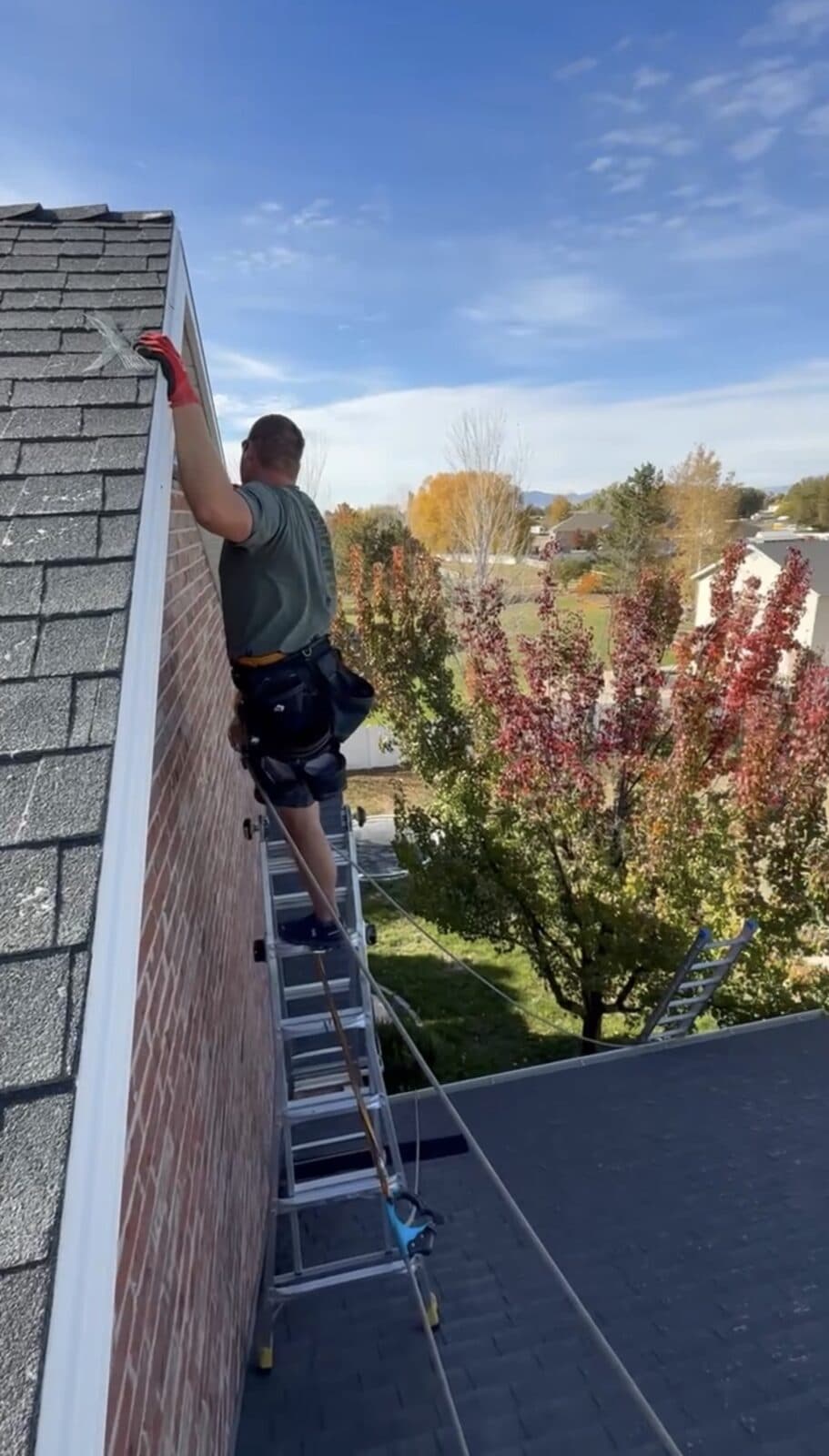
- High-rise / rope-access capacity for elevated buildings
- We finish failed prior jobs—remove old foam and devices
- Two-year written warranty on sealed whole-structure work
- Local owners, California coverage, backed by a multi-state team
Typical Los Angeles jobs start with a phone consultation, then an attic inspection, followed by humane exclusion and optional guano cleanup. Commercial properties can use our commercial bat removal program.
Los Angeles bat removal FAQ
Los Angeles neighborhoods & nearby cities
- Long Beach bat removal
South Bay / Harbor
- Santa Monica bat removal
Westside
- Pasadena bat removal
San Gabriel Valley
- Glendale bat removal
Verdugo foothills
- Burbank bat removal
East Valley / Media District
- Torrance bat removal
South Bay
- All service areas
Southern California hub
- Bat removal service
Residential & commercial
- Fall & winter bat exclusion
California exclusion timing
- Are bats protected in California?
Bat laws & legal removal
- Bat eviction season checker
Is it safe to exclude now?
- Signs you have bats
Interactive checklist
- How we work
Process steps
- Warranty
Two-year coverage
- FAQ
Common questions
Bat problems in Los Angeles? Let's talk.
Humane exclusion for Los Angeles and the surrounding Los Angeles Basin. Two-year written warranty on whole-structure work. Same-day often available across Southern California.