
San Gabriel Valley · California
Bat removal in Pasadena, California
Pasadena—138,699 people (2020 Census) at the foot of the San Gabriel Mountains—incorporated in 1886, and the City's Housing Element says 75% of its homes were built before 1970. Open Craftsman eaves, wood siding, attic vents and tile edges are where bats get in, and the Arroyo Seco runs right through town. The Pasadena Public Health Department has reported three rabid bats in the city in 2026. California Bat Removal Pros provides humane bat inspection, one-way exclusion, sealing with fitted inserts (not spray foam) and optional attic guano cleanup across Pasadena, with a two-year written warranty on whole-structure work.
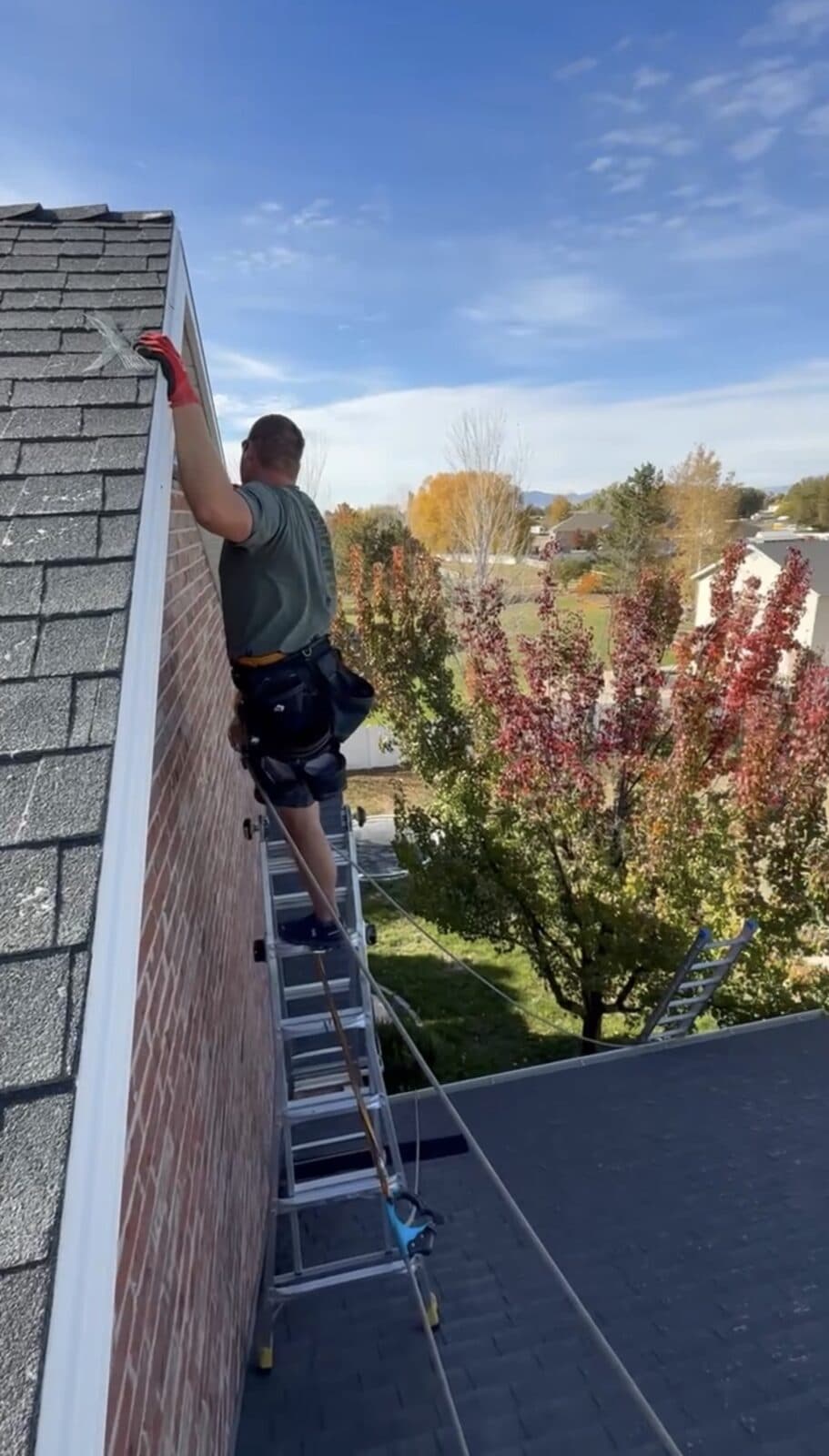
Are there bats in Pasadena?
Yes, and Pasadena is one of the few places in Los Angeles County where the city itself tracks them. The Pasadena Public Health Department runs its own rabies response, separate from the county, and it has announced three rabid bats in the city so far in 2026: one near S. Grand Avenue and Del Rosa Drive in the spring, one by the baseball field at Brenner Park on August 27, and one on E. Green Street between S. Marengo and S. Euclid avenues on October 11, after a weekend of Civic Center events. Pasadena Now reported that the city had no rabid bats from 2019 through 2023, then one in Old Pasadena in August 2024 and one on the west side in September 2025. On the habitat side, the Arroyo Seco runs the length of the city, and the 1,300-acre Hahamongna Watershed Park stretches from Devil's Gate Dam north into the San Gabriel Mountains. A 2018 bat survey there for LA County Public Works confirmed hoary and Mexican free-tailed bats, picked up calls that fit big brown, silver-haired, Yuma and California myotis, found guano beneath the Oak Grove Drive and I-210 bridges over the Arroyo, and watched a myotis night-roosting under the Oak Grove Drive bridge abutment. The houses are old, too: the City's Housing Element says 75% of Pasadena's homes were built before 1970.
We found no Pasadena-wide bat count. The Devil's Gate survey covered one project area over a few November evenings, and its authors called bat activity low. The rabid bats are lab results from bats that were found sick, grounded or near people; most bats never carry rabies. LA County's rabies dashboard leaves out Pasadena and Long Beach, which run their own health departments, so the county's record 2026 total isn't a Pasadena number. We confirm the species in a particular building at inspection.
Who to call about a bat in Pasadena
Pasadena has its own health department and its own animal control provider. Pasadena Humane handles animal control for the City of Pasadena and unincorporated Pasadena, as well as Altadena, South Pasadena, San Marino, Sierra Madre, La Cañada Flintridge, Glendale and several other foothill cities; its animal control dispatch is 626-792-7151 ext. 998. The Pasadena Public Health Department's 2026 rabid-bat notices say: never handle a bat with bare hands, report injured, ill or dead bats, and if you see a dead or dying bat on the ground, don't touch it and call Pasadena Humane at 626-792-7151 to collect it. If skin contact with a bat happens, wash the area right away with soap and water and get medical care; pets that may have had contact should see an emergency veterinarian. The Public Health Department is at 1845 N. Fair Oaks Ave. (626-744-6000). If a bat was found in a room with a sleeping person, a child or a pet, don't release it; close off the room and call. A healthy colony in a roof or wall isn't an animal-control pickup; it's handled by one-way exclusion.
Bat species most relevant to Pasadena homes
- Mexican free-tailed bat (Tadarida brasiliensis): Confirmed in the 2018 Devil's Gate survey and the bat we expect most in Pasadena buildings. CDFW's habitat account says it roosts in buildings, bridges and crevices. The same survey noted that the expansion joints of the I-210 bridges over the Arroyo offer day-roost habitat, and on houses the equivalent gaps are open tile ends, parapets and shrunken trim.
- Big brown bat (Eptesicus fuscus): One of the species whose calls fit the Devil's Gate recordings. CDFW says it relies so heavily on buildings that its natural roosts are poorly known, and it's the bat most likely to settle in the attic or wall void of an older bungalow and stay into the cooler months.
- Yuma and California myotis (Myotis yumanensis, Myotis californicus): Small bats whose calls fit the Arroyo recordings. A myotis was seen night-roosting under the Oak Grove Drive bridge abutment, resting between feeding flights. Myotis feed low over water and vegetation and can also use buildings, porches and deep eaves.
- Hoary and silver-haired bats (Lasiurus cinereus, Lasionycteris noctivagans): Tree bats. Surveyors watched a hoary bat emerge from a eucalyptus at Devil's Gate in November 2018. These bats roost in foliage and bark, not attics, so one hanging in a yard tree isn't a building problem. Leave it alone, and call Pasadena Humane if it's on the ground or can't fly.
- Pallid bat (Antrozous pallidus): A California Species of Special Concern that the Devil's Gate project screened for, though the 2018 survey didn't detect it. CWHR says pallid bats day-roost in crevices and sometimes buildings, and night-roost in more open spots such as porches. A pile of beetle and moth wings under a porch light is a classic sign.
More detail: California bat species guide.
Where bats get into Pasadena homes
Pasadena incorporated in 1886, and its housing shows it. The City's 2021–2029 Housing Element says 75% of the city's homes were built before 1970, and SCAG's local profile puts the share at 63.7%. Of 62,753 homes counted by the state in 2020, 42% are detached single-family houses, 7% attached and 51% in multifamily buildings. The City has designated 45 historic and landmark districts. The best known, Bungalow Heaven, was established by ordinance in 1990 and covers more than 1,000 homes between E. Orange Grove and E. Washington boulevards and N. Mentor and N. Holliston avenues, mostly Craftsman bungalows from the early 1900s through the 1920s, with Spanish Colonial Revival and Tudor Revival homes mixed in. Other districts include Garfield Heights, Washington Square, Historic Highlands, Bellefontaine, Governor Markham and Arden Road. The Housing Element notes that homes over 30 years old typically need repairs such as roofs. UC IPM lists the usual colony entry points as beneath eaves, around chimneys, around vents, near loose boards and beneath roof caps, and says bats can fit through gaps of about 1/4 inch. On Pasadena buildings we check these first:
- Open eaves and exposed rafter tails on Craftsman bungalows, where frieze boards, blocking and shrunken trim leave gaps between rafters
- Gable vents, attic louvers and decorative vent screens on 1900s–1920s homes, plus vents changed during re-roofs
- Wood siding, shingle walls and porch roof tie-ins, including deep front porches and porte-cocheres
- Open tile ends and ridges on Spanish Colonial Revival and Mediterranean homes where bird stops are missing
- Brick chimneys and chimney chases, especially where earthquake retrofits or re-roofs left flashing gaps
- Parapets, coping and expansion joints on apartment buildings and flat commercial and institutional roofs in Old Pasadena, the Playhouse District and along Colorado and Lake
When bats are most active around Pasadena
- Spring and summer (maternity)
- UC IPM says flightless young may be present, usually from May through September in California, and advises against excluding a colony then because the young would be trapped. Pasadena's 2026 rabid bats were found in spring, late August and mid-October.
- Dusk along the Arroyo Seco
- The Devil's Gate survey counted roughly 15 to 30 bats emerging over three November evenings and noted heavy artificial light from the JPL parking lot and La Cañada High School field, which raises predation risk for bats. Bats feeding at dusk over the Arroyo, Hahamongna or Brookside don't by themselves mean they're living in your house.
- Fall and winter exclusion window
- Late fall and winter, after the pups can fly, are the usual months to exclude a colony. Pasadena runs hotter than the coast in summer but winters are mild and some bats stay active, so we inspect first and use one-way devices so no bat is sealed inside.
Planning an exclusion? See our fall and winter bat exclusion guide, the maternity season guide or the bat eviction season checker. For what California law allows, read are bats protected in California?
Nearby city pages: Glendale bat removal, Burbank bat removal, El Monte bat removal, Los Angeles bat removal, Pomona bat removal. This Pasadena page covers the whole city: Bungalow Heaven and the other landmark districts, Old Pasadena, the Playhouse District and South Lake, the Arroyo neighborhoods near the Rose Bowl and Brookside, Linda Vista and the San Rafael hills, East Pasadena and the foothill streets near Hahamongna. We also take calls from Altadena, South Pasadena and San Marino. Pasadena's Planning & Community Development Department can confirm whether a home is in a landmark district; we document every closure with photos for owners, HOAs and the City.
Sources
- Pasadena Humane: Animal Control (service areas and dispatch)
- Pasadena Public Health: Rabid bat near S. Grand Ave. and Del Rosa Dr. (2026)
- Pasadena Public Health: Rabies-Positive Bat Found at Brenner Park (Aug. 2026)
- Pasadena Public Health: Rabies-Positive Bat Detected on East Green Street (Oct. 2026)
- Pasadena Public Health Department: Contact
- Pasadena Now: Rabid Bat Found in West Pasadena (2025)
- LA County Public Health: Rabies dashboard (excludes Pasadena and Long Beach)
- LA County Public Works: Devil's Gate Bat Pre-Construction Survey Report (Fall 2018)
- City of Pasadena: Hahamongna Watershed Park
- City of Pasadena: Arroyo Seco
- City of Pasadena: 2021–2029 Housing Element
- SCAG: Local Profile, City of Pasadena (2024)
- City of Pasadena: Bungalow Heaven Landmark District Conservation Plan
- City of Pasadena: Historic & Landmark Districts map
- U.S. Census Bureau QuickFacts: Pasadena city, California
- Natural History Museum of LA County: Backyard Bats
- CDFW CWHR: Brazilian (Mexican) free-tailed bat life history account
- CDFW CWHR: Big brown bat life history account
- CDFW CWHR: Pallid bat life history account
- CDFW: Human-Wildlife Conflicts, Bats
- UC IPM Pest Notes: Bats
- CDC: Preventing Rabies from Bats
Pasadena roof types & where bats get in
Craftsman bungalows from the early 1900s through the 1920s with open eaves, exposed rafter tails, wood siding and deep porches (Bungalow Heaven alone has more than 1,000 homes, and the City has 45 historic and landmark districts); Spanish Colonial Revival and Mediterranean homes with clay tile; brick chimneys; and apartment blocks and flat commercial and institutional roofs (51% of Pasadena's homes are multifamily, and the Housing Element says 75% were built before 1970).
Entry points we check first on Pasadena homes:
- open or loose soffit panels and rafter tails
- gaps behind wood siding, trim and porch roof tie-ins
- gable and attic vents with torn or missing screens
- clay or concrete tile ridge and eave closures (bird stops missing or broken)
- chimney chases and flashing
- parapet caps, coping and expansion joints on flat or low-slope roofs
Bats can fit through gaps of about 3/8 inch (California Dept. of Food & Agriculture vertebrate pest handbook). Not sure? Use our signs-you-have-bats checklist.
Pasadena climate & bat season
Pasadena runs hotter and drier than the coast in summer and sits right against the San Gabriel Mountains. Warm afternoons favor heat-loving free-tailed colonies under tile and in walls, and winters are mild enough that some bats stay active; late fall and winter are the usual exclusion months.
Maternity season rules for Pasadena bat exclusion
California treats bats as protected nongame mammals, so they may not be killed, poisoned or trapped. Exclusion is the humane, legal route. UC IPM advises against excluding colonies when flightless young could be present, usually May through September in California, because the parents get shut out and the pups starve inside the walls. We inspect and plan during that window, then exclude once the pups can fly. Fall, winter and early spring are the usual exclusion months. The CDFW bats page covers safety and conflict guidance, and you can report a colony to CDFW. Timing source: UC IPM bats. Guano health: CDC on histoplasmosis.
Planning for this fall or winter? Read our fall and winter bat exclusion guide for California timing, and are bats protected in California? for what the law allows.
Is it safe to evict bats now? Check the seasonLocal housing & attic patterns in Pasadena
The City's 2021–2029 Housing Element counts 62,753 homes, using 2020 state Department of Finance figures: 42% detached single-family houses, 7% attached and 51% in multifamily buildings. It says 75% were built before 1970 and that homes over 30 years old typically need repairs such as roofs. Pasadena has designated 45 historic and landmark districts. Bungalow Heaven, established by ordinance in 1990, covers more than 1,000 homes, mostly Craftsman bungalows from the early 1900s through the 1920s, with Spanish Colonial Revival and Tudor Revival homes mixed in; Garfield Heights, Washington Square, Historic Highlands, Bellefontaine and Arden Road are among the others. In practice that means open rafter tails and frieze boards, wood shingle and clapboard walls, decorative gable vents and deep porches on the bungalows; clay tile on the Spanish and Mediterranean homes; brick chimneys; and parapets and expansion joints on the apartment blocks and commercial roofs in Old Pasadena, the Playhouse District and along Lake Avenue. UC IPM says bats can fit through gaps of about 1/4 inch, so we confirm the species and map every entry point before any exclusion device goes on.
Bat seasonality around Pasadena
UC IPM advises against excluding a colony while flightless young may be present, usually May through September in California, so late fall and winter are the usual Pasadena exclusion months. The Pasadena Public Health Department reported rabid bats near S. Grand Avenue and Del Rosa Drive in the spring, at Brenner Park on August 27 and on E. Green Street near the Civic Center on October 11, 2026. Pasadena Now reported none from 2019 through 2023, then one in 2024 and one in 2025. Those are lab results from bats that were sick or found near people, not a count of bats in Pasadena, but they're the reason a bat found indoors should be reported to Pasadena Humane rather than released. Winters here are mild, so call any month if you hear scratching, smell ammonia or find droppings.
Neighborhoods & landmarks we know
We cover all of Pasadena: Bungalow Heaven and the other landmark districts in Northwest, Northeast and Central Pasadena; Old Pasadena, the Civic Center and the Playhouse District; South Lake and the Madison Heights and South Arroyo streets; the Arroyo neighborhoods near the Rose Bowl and Brookside; Linda Vista and the San Rafael hills; East Pasadena and Hastings Ranch; and the foothill streets near Hahamongna Watershed Park. We also take calls from Altadena, South Pasadena and San Marino. Hahamongna's 1,300 acres run from Devil's Gate Dam north into the San Gabriels, and a 2018 survey there for LA County Public Works confirmed hoary and Mexican free-tailed bats and found guano beneath the Oak Grove Drive and I-210 bridges. That habitat gives bats insects to hunt, though it doesn't mean any particular house has a roost. Nearby city pages cover Glendale, Burbank, El Monte, Los Angeles and Pomona.
Why hire a local Southern California crew
Pasadena isn't covered by LA County's animal control or health department for bats. Pasadena Humane provides animal control for the City (dispatch 626-792-7151 ext. 998), and the city's own Pasadena Public Health Department handles rabies follow-up and issues its own rabid-bat notices. Animal control collects sick, injured, dead and grounded bats; a healthy colony in a roof or wall is a private exclusion job. On landmark-district homes the details bats use—rafter tails, frieze boards, wood siding, decorative vents—are also the details the City protects, so we don't use spray foam: we close gaps with fitted inserts, screen and sealants matched to the existing wood, paint, stucco and tile, and give owners, HOAs and landlords a written scope with photos.
- Bat specialists since 2011 — bats are our flagship service
- Documented inspection: openings numbered, photographed, primary vs. secondary
- Targeted repair or whole-structure seal (warranty on whole-structure)
- Humane one-way exclusion · maternity timing per UC IPM (usually May–September)
- High-rise / rope-access capacity for elevated buildings
- We finish failed prior jobs—remove old foam and devices
- Two-year written warranty on sealed whole-structure work
- Local owners, California coverage, backed by a multi-state team
Typical Pasadena jobs start with a phone consultation, then an attic inspection, followed by humane exclusion and optional guano cleanup. Commercial properties can use our commercial bat removal program.
Pasadena bat removal FAQ
Pasadena & nearby cities
- Glendale bat removal
Verdugo foothills
- Burbank bat removal
East Valley / Media District
- El Monte bat removal
San Gabriel Valley
- Los Angeles bat removal
Los Angeles Basin
- Pomona bat removal
Pomona Valley / East LA County
- All service areas
Southern California hub
- Bat removal service
Residential & commercial
- Fall & winter bat exclusion
California exclusion timing
- Are bats protected in California?
Bat laws & legal removal
- Bat eviction season checker
Is it safe to exclude now?
- Signs you have bats
Interactive checklist
- How we work
Process steps
- Warranty
Two-year coverage
- FAQ
Common questions
Bat problems in Pasadena? Let's talk.
Humane exclusion for Pasadena and the surrounding San Gabriel Valley. Two-year written warranty on whole-structure work. Same-day often available across Southern California.