
Southwest Riverside County · California
Bat removal in Lake Elsinore, California
Lake Elsinore—70,265 people at the 2020 Census—is one of the oldest cities in Riverside County. Franklin Heald bought Rancho La Laguna and founded the town in 1883, it incorporated on April 20, 1888 (while still in San Diego County), and it took its current name by popular vote in 1972. It sits on the shore of Lake Elsinore, which the City calls the largest natural lake in Southern California, and that much open water and shoreline means plenty of night-flying insects. SCAG's 2019 profile counts 18,685 homes, from 1920s and 1930s resort-era houses to the 41.7% built in the 2000s. California Bat Removal Pros provides humane bat inspection, one-way exclusion, sealing with custom inserts (not spray foam) and optional attic guano cleanup across Lake Elsinore, with a two-year written warranty on whole-structure work.
Are there bats in Lake Elsinore?
Yes—and Lake Elsinore is one of the few cities where we can point to a documented local case. In August 2015 Riverside County officials said up to eight people in a Lake Elsinore neighborhood, including children, were possibly exposed to a rabid bat that someone had put in a box and handled like a pet. Rabies turns up in bats across Riverside County every year: the county's Public Health lab confirmed 15 rabid bats in 2024, RUHS–Public Health reported 18 by late October 2025, and CDPH's provisional 2026 table lists 27 for the county from January 1 through October 30. Bats have good reason to be here: the City calls Lake Elsinore the largest natural lake in Southern California, and the lake, the San Jacinto River inlet and the back basin wetlands produce insects through the warm months. SCAG's 2019 profile counts 18,685 homes, including older wood-trimmed houses downtown and in Country Club Heights and thousands of 2000s concrete-tile roofs.
We found no Lake Elsinore-only survey of bats in homes. Apart from the 2015 case, the rabies figures are county-wide lab results from bats submitted for testing, usually because they were sick, grounded or had touched a person or pet; most bats don't carry rabies. We confirm the species in a particular building at inspection.
Who to call about a bat in Lake Elsinore
The City of Lake Elsinore contracts its animal control to Animal Friends of the Valleys (AFV), 33751 Mission Trail in Wildomar: 951-674-0618, with emergency service 24 hours a day at 1-800-375-8218. AFV lists a wild animal causing a public-safety concern and biting-animal quarantines among its emergency calls. If a bat may have touched someone, or was found in a room where someone was asleep, don't release it: keep the room closed, call AFV, and call Riverside University Health System–Public Health Disease Control at 951-358-5107. RUHS–Public Health says bat bites can be painless and may not leave marks. A healthy colony living in a roof or wall is a private job.
Bat species most relevant to Lake Elsinore homes
- Mexican free-tailed bat (Tadarida brasiliensis): The bat we expect most in buildings here. CDFW's habitat account says it roosts in buildings, bridges and crevices, and colonies pack into narrow spaces under concrete tile, behind fascia and in wall voids, leaving droppings below the exit gap.
- Big brown bat (Eptesicus fuscus): CDFW says it relies so heavily on buildings that its natural roosts are poorly known. It's the bat most likely to settle in an attic or wall, especially in older downtown and Country Club Heights homes.
- Yuma myotis (Myotis yumanensis): A small bat closely tied to water that forages low over creeks, ponds and lakes. UC IPM lists Yuma and other Myotis among the bats that use buildings, so homes near the lakeshore, the back basin wetlands and the San Jacinto River inlet are the likeliest places to find them.
- Pallid bat (Antrozous pallidus): California's state bat and a Species of Special Concern. CWHR says pallid bats use open, dry habitats and night-roost in open spots such as porches, barns and open buildings, so droppings under a patio cover or in a barn can be theirs.
More detail: California bat species guide.
Where bats get into Lake Elsinore homes
Lake Elsinore's housing is older than most of southwest Riverside County: SCAG's 2019 profile shows 9.6% of homes built before 1970 and 9.3% in the 1970s, alongside 41.7% from the 2000s. UC IPM says bats can fit through gaps about 1/4 inch wide, and on Lake Elsinore buildings we usually find them here:
- Shrunken wood fascia, open eaves and gable vents on older downtown, Country Club Heights and lakeshore homes
- Siding and trim gaps, and add-on porch or patio-cover roofs tied into older walls
- Missing or broken bird stops and ridge-cap ends on Tuscany Hills, Canyon Hills, Rosetta Canyon and Summerly tile roofs
- Fascia-to-stucco gaps and weep-screed separations on 1980s–90s tract homes
- Loose skirting and roof-over edges on manufactured homes
- Parapets and expansion joints on commercial buildings along I-15 and Main Street
When bats are most active around Lake Elsinore
- Spring and summer (maternity)
- UC IPM says flightless young may be present, usually from May through September in California, and advises against excluding a colony then because the young would be trapped. Hot inland attics and sun-baked tile suit these colonies, so summer is when droppings and smell build up fastest.
- Dusk over the lake and back basin
- Lake Elsinore, the back basin wetlands and the San Jacinto River inlet produce insects through the warm months. Bats leaving a roof at dusk are the easiest way to find the exit gap.
- Fall rabies reports, then the winter exclusion window
- CDPH's provisional 2026 table lists 27 rabid bats in Riverside County through October 30, so a grounded or indoor bat should be reported, not handled. Late fall and winter, after the pups can fly, are the usual months to exclude a colony and seal the house.
Planning an exclusion? See our fall and winter bat exclusion guide, the maternity season guide or the bat eviction season checker. For what California law allows, read are bats protected in California?
Nearby city pages: Murrieta bat removal, Wildomar bat removal, Menifee bat removal, Temecula bat removal, Corona bat removal, Riverside bat removal. This Lake Elsinore page covers the City of Lake Elsinore—downtown, Country Club Heights, the lakeshore, Tuscany Hills, Canyon Hills, Rosetta Canyon, Summerly and Alberhill—plus calls from neighboring Lakeland Village, Wildomar and Canyon Lake.
Sources
- City of Lake Elsinore: Animal Control & Shelter Services (Animal Friends of the Valleys)
- City of Lake Elsinore: Violation Types (animal issues: AFV 951-674-0618)
- Animal Friends of the Valleys: Animal Control (contract cities, emergency calls, wildlife)
- Animal Friends of the Valleys: Contact (951-674-0618; 800-375-8218 after hours)
- Riverside University Health System–Public Health: Disease Control (951-358-5107)
- Riverside University Health System–Public Health: rabid bats (Oct. 2025)
- RUHS–Public Health: Disease reporting requirements (July 2025; animal bites reportable)
- CDPH: Reported Animal Rabies by County & Species, 2026 (provisional)
- Riverside County Dept. of Animal Services: rabid bat incidents incl. Lake Elsinore (Aug. 2015)
- City of Lake Elsinore: History (founded 1883, incorporated April 20, 1888, renamed 1972)
- City of Lake Elsinore: About City Government
- City of Lake Elsinore: Community At A Glance (2020 Census population)
- SCAG: 2019 Local Profile, City of Lake Elsinore
- U.S. Census Bureau QuickFacts: Lake Elsinore city, California
- CDFW CWHR: Brazilian (Mexican) free-tailed bat life history account
- CDFW CWHR: Big brown bat life history account
- CDFW CWHR: Pallid bat life history account
- UC IPM Pest Notes: Bats
- UC IPM: Bats (home and landscape)
- CDFW: Human-Wildlife Conflicts, Bats
- California Fish and Game Code §4150 (nongame mammals)
- Cal. Code Regs. tit. 14, §251.1 (harassment of animals)
- Bat Conservation International: Bats in Homes & Buildings
- CDC: Preventing Rabies from Bats
Lake Elsinore roof types & where bats get in
Decades-old wood-sided and stucco homes with wood fascia, open eaves and gable vents downtown, in Country Club Heights and along the lakeshore; 1980s and 1990s stucco tracts; 2000s two-story concrete-tile subdivisions such as Tuscany Hills, Canyon Hills, Rosetta Canyon and Summerly (SCAG's 2019 profile counts 18,685 homes, 76.7% single-family detached, 9.6% built before 1970 and 41.7% in the 2000s); and 731 mobile homes.
Entry points we check first on Lake Elsinore homes:
- gaps where fascia board meets stucco or the roof deck
- gable and attic vents with torn or missing screens
- open or loose soffit panels and rafter tails
- gaps behind wood siding, trim and porch roof tie-ins
- clay or concrete tile ridge and eave closures (bird stops missing or broken)
- ridge vents and the ends of ridge caps
Bats can fit through gaps of about 3/8 inch (California Dept. of Food & Agriculture vertebrate pest handbook). Not sure? Use our signs-you-have-bats checklist.
Lake Elsinore climate & bat season
Lake Elsinore sits around 1,250 feet in an inland basin with hot, dry summers and mild winters. Hot attics suit summer maternity colonies; late fall and winter are the usual exclusion months.
Maternity season rules for Lake Elsinore bat exclusion
California treats bats as protected nongame mammals, so they may not be killed, poisoned or trapped. Exclusion is the humane, legal route. UC IPM advises against excluding colonies when flightless young could be present, usually May through September in California, because the parents get shut out and the pups starve inside the walls. We inspect and plan during that window, then exclude once the pups can fly. Fall, winter and early spring are the usual exclusion months. The CDFW bats page covers safety and conflict guidance, and you can report a colony to CDFW. Timing source: UC IPM bats. Guano health: CDC on histoplasmosis.
Planning for this fall or winter? Read our fall and winter bat exclusion guide for California timing, and are bats protected in California? for what the law allows.
Is it safe to evict bats now? Check the seasonLocal housing & attic patterns in Lake Elsinore
SCAG's 2019 local profile counts 14,326 single-family detached homes (76.7%), 812 attached, 1,025 in two-to-four-unit buildings (5.5%), 1,791 in complexes of five or more and 731 mobile homes. Lake Elsinore's housing is older than most of its neighbors: 9.6% predates 1970 (2.1% before 1940), then 9.3% from the 1970s, 16.7% from the 1980s, 15.8% from the 1990s and 41.7% from the 2000s. That gives three main kinds of buildings. The historic downtown along Main Street and the hillside streets of Country Club Heights and the older lakeshore neighborhoods have wood-sided and stucco homes with wood fascia, open eaves, gable vents and add-on porches, often several decades old. The 1980s–90s tracts are stucco with composition shingle or concrete tile. And the 2000s master-planned communities—Tuscany Hills, Canyon Hills, Rosetta Canyon, Summerly, Alberhill and the tracts off Railroad Canyon Road—are two-story stucco with concrete tile, where missing bird stops and ridge-cap ends are the usual way in. UC IPM says bats can fit through gaps of about 1/4 inch, so we map every entry before exclusion devices go on.
Bat seasonality around Lake Elsinore
UC IPM advises against excluding a colony while flightless young may be present, usually May through September in California. Lake Elsinore's hot inland summers heat attics and tile quickly, and the lake, the San Jacinto River inlet and the back basin wetlands produce insects all season, so dusk fly-outs over the water are common. Late fall and winter, after the pups can fly, are the usual months to exclude and seal. Mild winters mean heated structures can still host individuals year-round.
Neighborhoods & landmarks we know
We cover all of Lake Elsinore: historic downtown and Main Street, Country Club Heights, the lakeshore neighborhoods along Lakeshore Drive and Riverside Drive, the Machado and Grand Avenue area, Lakeland Village and the west-shore communities next to the city, Tuscany Hills, Canyon Hills, Rosetta Canyon, Summerly near Diamond Stadium, Alberhill and the newer tracts off Railroad Canyon and Lake Street, manufactured-home and RV parks, and commercial buildings along I-15. Wildomar, Murrieta, Menifee and Canyon Lake are next door.
Why hire a local Southern California crew
The City of Lake Elsinore contracts animal control to Animal Friends of the Valleys (AFV), 33751 Mission Trail in Wildomar: 951-674-0618, with 24-hour emergency service at 1-800-375-8218. Possible rabies exposures go to Riverside University Health System–Public Health Disease Control (951-358-5107). A healthy colony living in a roof or wall is a private exclusion job. Lake Elsinore's mix of decades-old wood trim and newer tile roofs means we fit inserts and screens to the existing materials rather than foam, and we document the work for HOAs, park managers and owners. Lake Elsinore jobs are routed with Murrieta, Menifee and Temecula work.
- Bat specialists since 2011 — bats are our flagship service
- Documented inspection: openings numbered, photographed, primary vs. secondary
- Targeted repair or whole-structure seal (warranty on whole-structure)
- Humane one-way exclusion · maternity timing per UC IPM (usually May–September)
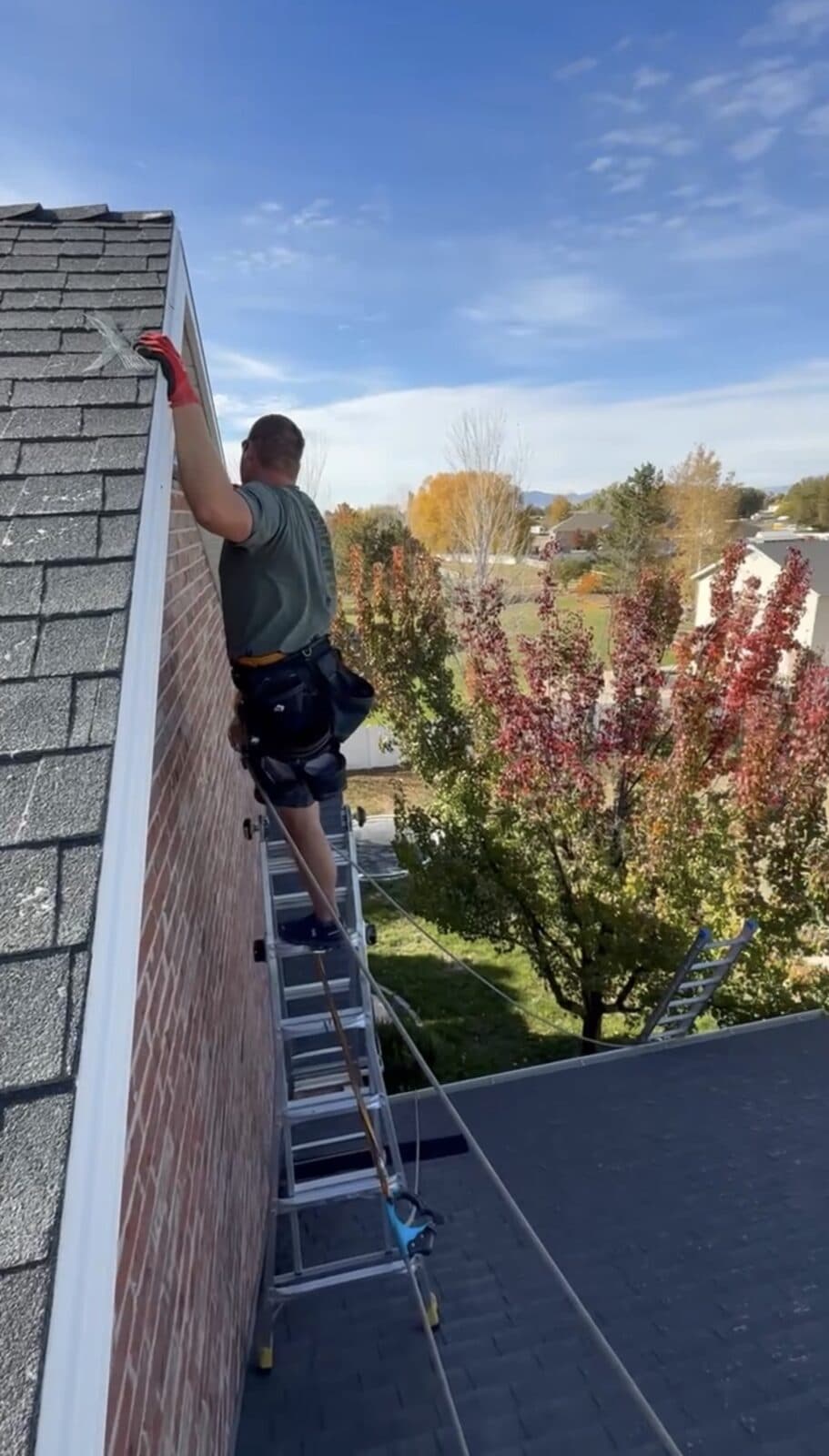
- High-rise / rope-access capacity for elevated buildings
- We finish failed prior jobs—remove old foam and devices
- Two-year written warranty on sealed whole-structure work
- Local owners, California coverage, backed by a multi-state team
Typical Lake Elsinore jobs start with a phone consultation, then an attic inspection, followed by humane exclusion and optional guano cleanup. Commercial properties can use our commercial bat removal program.
Lake Elsinore bat removal FAQ
Lake Elsinore & southwest Riverside County nearby
- Wildomar bat removal
Southwest Riverside County
- Murrieta bat removal
Southwest Riverside County
- Menifee bat removal
Southwest Riverside County
- Temecula bat removal
Southwest Riverside County
- Corona bat removal
Inland Empire
- Riverside bat removal
Inland Empire
- All service areas
Southern California hub
- Bat removal service
Residential & commercial
- Fall & winter bat exclusion
California exclusion timing
- Are bats protected in California?
Bat laws & legal removal
- Bat eviction season checker
Is it safe to exclude now?
- Signs you have bats
Interactive checklist
- How we work
Process steps
- Warranty
Two-year coverage
- FAQ
Common questions
Bat problems in Lake Elsinore? Let's talk.
Humane exclusion for Lake Elsinore and the surrounding Southwest Riverside County. Two-year written warranty on whole-structure work. Same-day often available across Southern California.