
Inland Empire / Chino Valley · California
Bat removal in Chino Hills, California
Chino Hills—78,411 people at the 2020 Census—fills the southwest corner of San Bernardino County, with Pomona and Diamond Bar to the north, Chino to the east, Corona to the southeast and Brea and Yorba Linda across the Orange County line. It's a young city, incorporated December 1, 1991, and SCAG's profile shows about seven in ten of its homes were built in the 1980s and 1990s, so a lot of tile, fascia and vent work is now 30 to 45 years old. Chino Hills State Park and more than 3,000 acres of community-owned open space wrap the neighborhoods, and the City itself notes that many homes back up to large open spaces. California Bat Removal Pros provides humane bat inspection, one-way exclusion, sealing with custom inserts (not spray foam) and optional attic guano cleanup across Chino Hills, with a two-year written warranty on whole-structure work.
Are there bats in Chino Hills?
Yes, and Chino Hills has better bat records than most cities because of the state park on its southern edge. California State Parks says it determined bat species in Chino Hills State Park, more than 14,000 acres, by mist-netting, acoustic and roost surveys, and a 2018 State Parks study for habitat restoration in the park lists the pallid bat, western mastiff bat, pocketed free-tailed bat, hoary bat, western red bat and Yuma myotis as present, with several other bats possible. The City adds that many homes back up to large open spaces and counts more than 3,000 acres of community-owned open space. Rabies is part of the picture: San Bernardino County Public Health says bats account for about 80% of rabid animal cases in California, and CDPH's provisional 2026 table lists 33 rabid bats in the county from January 1 through October 30.
We found no Chino Hills-only bat survey of homes or Chino Hills-specific rabid-bat report. The State Parks species list covers the park's open space, not the city's houses, and the park list focuses on special-status species, so common building bats such as the Mexican free-tailed and big brown bat aren't the focus there. The rabies figures are county-wide lab results from bats submitted for testing, usually because they were sick, grounded or had touched a person or pet; most bats don't carry rabies. We confirm the species in a particular building at inspection.
Who to call about a bat in Chino Hills
Chino Hills contracts with the Inland Valley Humane Society & S.P.C.A. (IVHS) for animal care and control, and has since 1992. The City's FAQ says to report a wild animal that is aggressive, sick or behaving unusually to IVHS at 909-623-9777; after hours and on weekends, call Chino Hills Police dispatch at 909-465-6638. IVHS also lists 909-594-9858 for emergencies between 9 p.m. and 7:30 a.m. If a bat may have touched someone, or was found in a room where someone was asleep, don't release it: keep the room closed, call IVHS, and call San Bernardino County Public Health's Communicable Disease Section (1-800-722-4794 weekdays 8 a.m. to 5 p.m.; 1-800-472-2376 after hours). The City has joined the Animal Resource Center of the Inland Empire, but a City staff report says ARC won't take over until July 1, 2027. A healthy colony living in a roof or wall is a private job.
Bat species most relevant to Chino Hills homes
- Mexican free-tailed bat (Tadarida brasiliensis): The bat we expect most in Chino Hills buildings. CDFW's habitat account says it roosts in buildings, bridges and crevices, and colonies pack into narrow spaces under concrete tile, behind fascia and in wall voids, leaving droppings below the exit gap.
- Big brown bat (Eptesicus fuscus): CDFW says it relies so heavily on buildings that its natural roosts are poorly known. It's the bat most likely to settle in an attic or wall, including in older cabins and wood-sided homes in Los Serranos and Carbon Canyon.
- Pallid bat (Antrozous pallidus): A California Species of Special Concern listed as present in Chino Hills State Park. CWHR says pallid bats use open, dry habitats with rocky areas and night-roost in open spots such as porches and open buildings, so droppings under a patio cover or porch on a hillside lot can be theirs.
- Yuma myotis (Myotis yumanensis): Also listed as present in the state park. It feeds low over water, so park creeks, ponds and irrigated areas are natural foraging, and it often day-roosts in buildings near water.
More detail: California bat species guide.
Where bats get into Chino Hills homes
Chino Hills started as cabins around Los Serranos Golf and Country Club and in Carbon Canyon, then grew in planned villages under the County's 1979 Specific Plan. SCAG's profile shows 37.3% of homes built in the 1980s and 32.2% in the 1990s, most of them stucco under concrete tile, and the 2022 Housing Element says much of the city is in a fire hazard overlay. UC IPM says bats can fit through gaps about 1/4 inch wide, and on Chino Hills homes we usually find them here:
- Open tile ends, ridge caps and missing bird stops on 1980s and 1990s concrete tile roofs
- Fascia-to-stucco gaps and shrunken trim along long eave runs on two-story tract homes
- Gable, eave and dormer vents with torn 1/4-inch screens, or vents changed during re-roofs and fire-hardening upgrades
- Chimney chases, flashing and caps on hillside and custom homes
- Siding, trim and roof-to-wall gaps on older cabins and homes in Los Serranos and Carbon Canyon
- Patio covers, decks and garages tied into the roofline on hillside lots
When bats are most active around Chino Hills
- Spring and summer (maternity)
- UC IPM says flightless young may be present, usually from May through September in California, and advises against excluding a colony then because the young would be trapped. Hot attics under tile suit these colonies, so summer is when droppings and smell build up fastest.
- Dusk over the canyons, the park and the golf course
- The canyons and creeks of Chino Hills State Park, Carbon Canyon, the City's open space and the Los Serranos golf course give bats water and insects. Bats leaving a roof at dusk are the easiest way to find the exit gap.
- Fall rabies reports, then the winter exclusion window
- CDPH's provisional 2026 table lists 33 rabid bats in San Bernardino County from January 1 through October 30. Late fall and winter, after the pups can fly, are the usual months to exclude a colony and seal the house.
Planning an exclusion? See our fall and winter bat exclusion guide, the maternity season guide or the bat eviction season checker. For what California law allows, read are bats protected in California?
Nearby city pages: Chino bat removal, Yorba Linda bat removal, Brea bat removal, Pomona bat removal, Ontario bat removal, Corona bat removal, Upland bat removal. This Chino Hills page covers the whole city: Los Serranos, Sleepy Hollow and Carbon Canyon, the 1980s and 1990s village tracts, Butterfield Ranch, Vellano and other hillside neighborhoods, condo and apartment complexes, both mobile home parks and the 71 corridor.
Sources
- City of Chino Hills: Animal Control (Inland Valley Humane Society)
- City of Chino Hills: Animal Control FAQs
- City of Chino Hills: Staff report on animal services and the Animal Resource Center JPA
- Inland Valley Humane Society & S.P.C.A.: Humane & Animal Control
- Inland Valley Humane Society & S.P.C.A.: Local Wildlife
- San Bernardino County: Bat safety education—protect yourself and prevent rabies (Sept. 2024)
- CDPH: Reported Animal Rabies by County & Species, 2026 (provisional)
- California State Parks: Chino Hills State Park
- California State Parks: Chino Hills State Park inventory, monitoring and assessment (bat surveys)
- California State Parks: Chino Hills Habitat Restoration Initial Study/MND (2018, PDF)
- OC Parks: Carbon Canyon Regional Park
- City of Chino Hills: History
- City of Chino Hills: Adopted 2021–2029 Housing Element (PDF)
- SCAG: Local Profile, City of Chino Hills
- U.S. Census Bureau QuickFacts: Chino Hills city, California
- Chino Valley Fire District: Fire Hazard Severity Zone map
- UC ANR Fire Network: Vents
- CDFW CWHR: Brazilian (Mexican) free-tailed bat life history account
- CDFW CWHR: Big brown bat life history account
- CDFW CWHR: Pallid bat life history account
- UC IPM Pest Notes: Bats
- CDFW: Human-Wildlife Conflicts, Bats
- CDC: Preventing Rabies from Bats
Chino Hills roof types & where bats get in
Mostly one- and two-story stucco homes from the 1980s and 1990s under concrete tile (SCAG's profile shows 37.3% of Chino Hills homes built in the 1980s and 32.2% in the 1990s); larger custom and gated hillside homes; townhomes, condos and apartment complexes; 627 mobile homes in two parks; and older cabins, bungalows and wood-sided homes in Los Serranos and Carbon Canyon.
Entry points we check first on Chino Hills homes:
- clay or concrete tile ridge and eave closures (bird stops missing or broken)
- gaps where fascia board meets stucco or the roof deck
- gable and attic vents with torn or missing screens
- chimney chases and flashing
- ridge vents and the ends of ridge caps
- gaps behind wood siding, trim and porch roof tie-ins
Bats can fit through gaps of about 3/8 inch (California Dept. of Food & Agriculture vertebrate pest handbook). Not sure? Use our signs-you-have-bats checklist.
Chino Hills climate & bat season
Chino Hills sits in the hills between the Chino Valley and the Orange County line, hot and dry in summer, exposed to Santa Ana winds and mild in winter. Hot attics under tile suit summer colonies, and some bats stay active through the winter; late fall and winter are the usual exclusion months.
Maternity season rules for Chino Hills bat exclusion
California treats bats as protected nongame mammals, so they may not be killed, poisoned or trapped. Exclusion is the humane, legal route. UC IPM advises against excluding colonies when flightless young could be present, usually May through September in California, because the parents get shut out and the pups starve inside the walls. We inspect and plan during that window, then exclude once the pups can fly. Fall, winter and early spring are the usual exclusion months. The CDFW bats page covers safety and conflict guidance, and you can report a colony to CDFW. Timing source: UC IPM bats. Guano health: CDC on histoplasmosis.
Planning for this fall or winter? Read our fall and winter bat exclusion guide for California timing, and are bats protected in California? for what the law allows.
Is it safe to evict bats now? Check the seasonLocal housing & attic patterns in Chino Hills
The City's history page traces modern Chino Hills to Boys Republic, which arrived in 1909, and to Los Serranos Golf and Country Club, which opened in 1925; members bought small lots and built cabanas there, and Los Serranos and the Sleepy Hollow area of Carbon Canyon still hold most of the city's pre-1970 homes, the 2022 Housing Element says. Large-scale building came with the County's Chino Hills Specific Plan, begun in 1979, which clustered development into villages around open space; the City says about 4,000 homes and 12,000 residents were in place by 1982. SCAG's 2019 local profile counts 25,611 homes: 77.4% single-family detached, 3.4% attached, 3.0% in two-to-four-unit buildings, 13.8% in larger complexes and 627 mobile homes (2.4%), with only 5.9% built before 1970, 10.7% in the 1970s, 37.3% in the 1980s, 32.2% in the 1990s and 12.6% in the 2000s. In practice that means mostly one- and two-story stucco homes under concrete tile, hillside houses with decks and long eave runs, condo and apartment complexes, two mobile home parks (Lake Los Serranos and Rancho Monte Vista) and older cabins and wood-sided homes in Los Serranos and Carbon Canyon.
Bat seasonality around Chino Hills
UC IPM advises against excluding a colony while flightless young may be present, usually May through September in California, so late fall and winter are the usual Chino Hills exclusion months. Rabies is the other seasonal story: San Bernardino County Public Health says bats are the primary rabies carriers in California and account for about 80% of rabid animal cases, reported 11 rabid bats county-wide in 2023 and 13 by early September 2024, and CDPH's provisional 2026 table lists 33 rabid bats in the county from January 1 through October 30. Those are lab results from bats that were sick or had touched people or pets, not a count of Chino Hills bats, but they're the reason a bat found indoors should be reported rather than released. Winters are mild, so call any month if you hear scratching, smell ammonia or find droppings.
Neighborhoods & landmarks we know
We cover all of Chino Hills: Los Serranos and the streets around the golf course; Sleepy Hollow and the Carbon Canyon Road (Highway 142) corridor; the 1980s and 1990s village tracts off Chino Hills Parkway, Peyton Drive, Grand Avenue, Pipeline Avenue, Butterfield Ranch Road and Soquel Canyon Parkway; gated and custom hillside homes such as Vellano; townhome, condo and apartment complexes; both mobile home parks; and the commercial roofs around The Shoppes and the 71 corridor. Nearby city pages cover Yorba Linda, Brea, Pomona, Ontario and Corona.
Why hire a local Southern California crew
Chino Hills has contracted with the Inland Valley Humane Society & S.P.C.A. (IVHS) for animal control since 1992. The City's FAQ says to report a wild animal that is aggressive, sick or acting unusually to IVHS at 909-623-9777, and to Chino Hills Police dispatch at 909-465-6638 after hours and on weekends; IVHS lists 909-594-9858 for after-hours emergencies. The City has joined the Animal Resource Center of the Inland Empire, but ARC isn't scheduled to take over until July 1, 2027, so IVHS remains the contact for now. Healthy colonies in a roof or wall are a private job. Fire matters too: the Housing Element says much of the city is in a fire hazard overlay and requires Class A roofs, and Chino Valley Fire adopted CAL FIRE's updated hazard maps in 2025, so we plan bat-proofing and ember-resistant vents together.
- Bat specialists since 2011 — bats are our flagship service
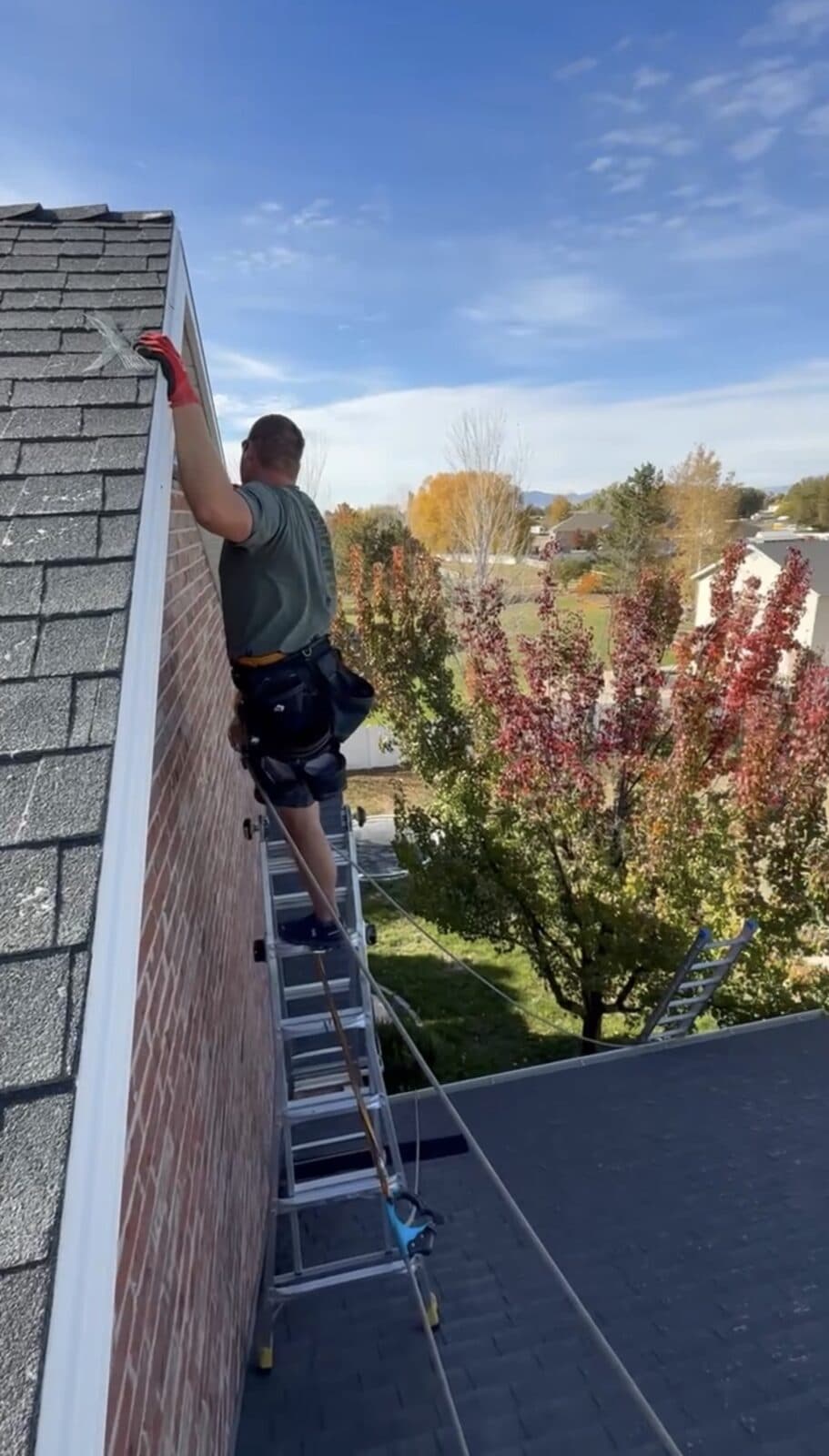
- Documented inspection: openings numbered, photographed, primary vs. secondary
- Targeted repair or whole-structure seal (warranty on whole-structure)
- Humane one-way exclusion · maternity timing per UC IPM (usually May–September)
- High-rise / rope-access capacity for elevated buildings
- We finish failed prior jobs—remove old foam and devices
- Two-year written warranty on sealed whole-structure work
- Local owners, California coverage, backed by a multi-state team
Typical Chino Hills jobs start with a phone consultation, then an attic inspection, followed by humane exclusion and optional guano cleanup. Commercial properties can use our commercial bat removal program.
Chino Hills bat removal FAQ
Chino Hills & nearby cities
- Yorba Linda bat removal
North Orange County
- Chino bat removal
Inland Empire / Chino Valley
- Brea bat removal
North Orange County
- Pomona bat removal
Pomona Valley / East LA County
- Ontario bat removal
Inland Empire / West San Bernardino County
- Corona bat removal
Inland Empire
- All service areas
Southern California hub
- Bat removal service
Residential & commercial
- Fall & winter bat exclusion
California exclusion timing
- Are bats protected in California?
Bat laws & legal removal
- Bat eviction season checker
Is it safe to exclude now?
- Signs you have bats
Interactive checklist
- How we work
Process steps
- Warranty
Two-year coverage
- FAQ
Common questions
Bat problems in Chino Hills? Let's talk.
Humane exclusion for Chino Hills and the surrounding Inland Empire / Chino Valley. Two-year written warranty on whole-structure work. Same-day often available across Southern California.