
Inland Empire foothills · California
Bat removal in Upland, California
Upland—79,040 people at the 2020 Census, incorporated May 15, 1906—sits at the foot of the San Gabriel Mountains in western San Bernardino County, between Rancho Cucamonga to the east, Claremont and Montclair to the west and Ontario to the south. It began as the northern half of the Chaffey brothers' Ontario Model Colony; the 200-foot-wide Euclid Avenue median and bridle path still run as a National Register scenic corridor toward Mount Baldy. SCAG's 2019 profile counts 27,850 homes, with 34.5% built before 1970—an older stock than many Inland Empire neighbors—so Craftsman trim, tile ends and aging vents are common roost gaps. California Bat Removal Pros provides humane bat inspection, one-way exclusion, sealing with custom inserts (not spray foam) and optional attic guano cleanup across Upland, with a two-year written warranty on whole-structure work.
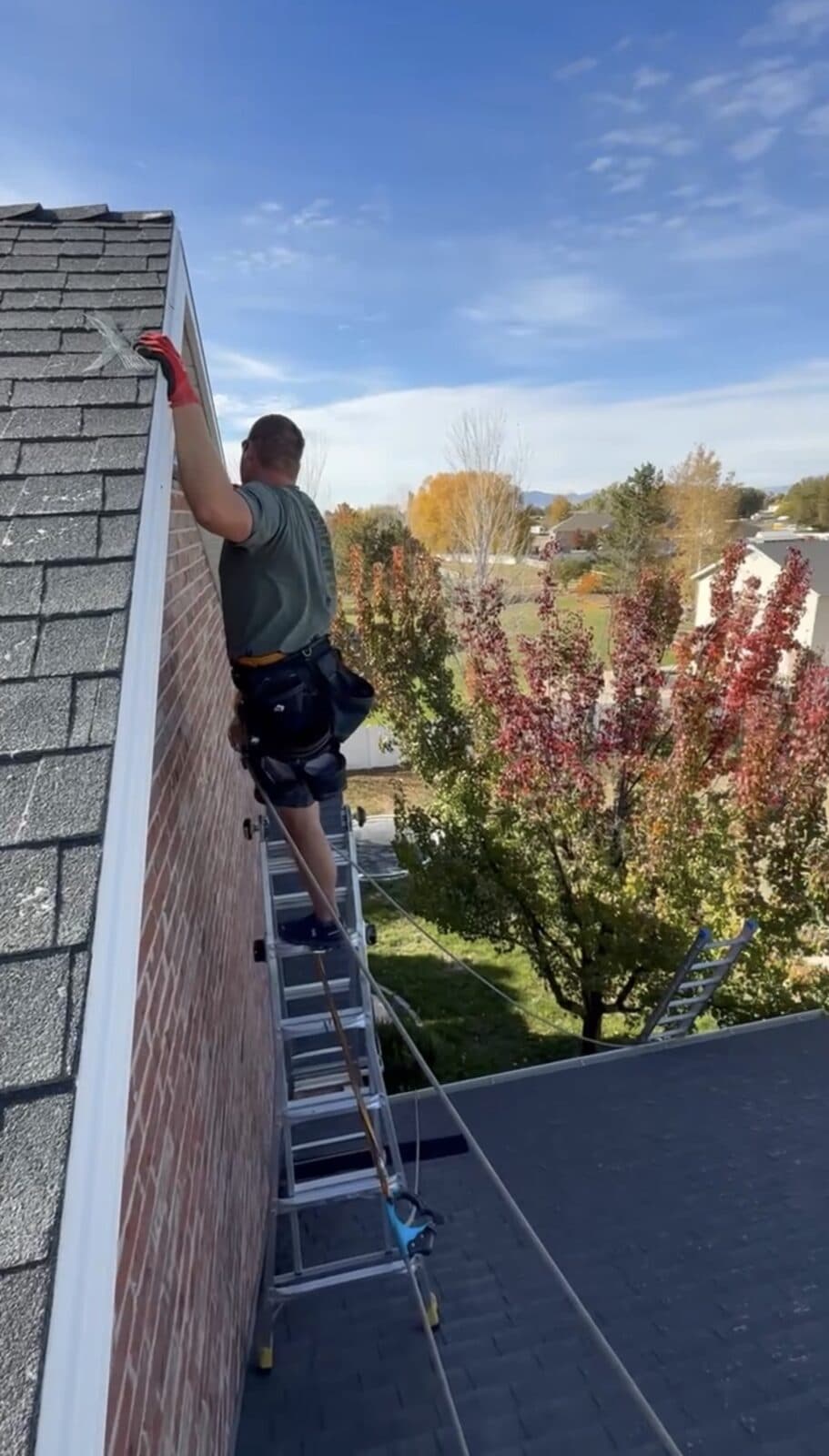
Are there bats in Upland?
Yes. Upland—79,040 people at the 2020 Census, incorporated May 15, 1906—sits at the foot of the San Gabriel Mountains between Rancho Cucamonga, Claremont, Montclair and Ontario. It began as the northern half of the Chaffey brothers' Ontario Model Colony; Euclid Avenue's 200-foot median is still a National Register scenic corridor. SCAG's 2019 profile counts 27,850 homes, with 34.5% built before 1970—older than many Inland Empire neighbors—so Craftsman trim, tile ends and aging vents are common roost gaps. San Antonio Creek, city parks and the mountain front keep insect forage close. Rabies is a county-wide concern: San Bernardino County Public Health says bats account for about 80% of rabid animal cases in California, and CDPH's provisional 2026 table lists 33 rabid bats in the county from January 1 through October 30.
We found no Upland-only bat survey of homes or Upland-specific rabid-bat report. The rabies figures are county-wide lab results from bats submitted for testing, usually because they were sick, grounded or had touched a person or pet; most bats don't carry rabies. We confirm the species in a particular building at inspection.
Who to call about a bat in Upland
Upland runs its own Animal Services Division of the Upland Police Department (909-931-4185), with the Upland Animal Shelter at 1275 San Bernardino Road. It is not part of the Animal Resource Center of the Inland Empire (ARC), which serves Ontario, Chino and Montclair. Animal Services responds to wildlife that is sick, injured, dead or involved in a possible exposure. If a bat may have touched someone, or was found in a room where someone was asleep, don't release it: keep the room closed, call Upland Animal Services, and call San Bernardino County Public Health's Communicable Disease Section (1-800-722-4794 weekdays 8 a.m. to 5 p.m.; 1-800-472-2376 after hours). A healthy colony living in a roof or wall is a private job.
Bat species most relevant to Upland homes
- Mexican free-tailed bat (Tadarida brasiliensis): The bat we expect most in Upland buildings. CDFW's habitat account says it roosts in buildings, bridges and crevices, and colonies pack into narrow spaces under concrete tile, behind fascia and in wall voids, leaving droppings below the exit gap.
- Big brown bat (Eptesicus fuscus): CDFW says it relies so heavily on buildings that its natural roosts are poorly known. It's the bat most likely to settle in an attic or wall on older Euclid Avenue and mid-century Upland homes.
- Canyon bat (Parastrellus hesperus): A small western bat common in foothill and canyon edges. It often roosts in rock crevices and building cracks; dusk fly-outs along the mountain front can be theirs as well as free-tailed bats.
- Pallid bat (Antrozous pallidus): A California Species of Special Concern. CWHR says pallid bats use open, dry habitats and night-roost in open spots such as porches and open buildings, so droppings under a patio cover on a foothill lot can be theirs.
More detail: California bat species guide.
Where bats get into Upland homes
Upland's older Euclid Avenue and downtown stock, foothill lots and south-side tracts create several roof types. SCAG's 2019 profile shows 57.5% single-family detached and 34.5% built before 1970. UC IPM says bats can fit through gaps about 1/4 inch wide, and on Upland homes we usually find them here:
- Open tile ends, ridge caps and missing bird stops on Spanish and concrete-tile roofs along Euclid and in South Upland
- Open rafter tails, soffit bays and wood trim gaps on Craftsman and early-20th-century Euclid Avenue homes
- Fascia-to-stucco gaps and long eave runs on mid-century and newer two-story tracts
- Gable, eave and ridge vents with torn or missing 1/4-inch screens
- Chimney chases, flashing and caps on older residential roofs
- Detached garage door perimeter gaps, patio covers and commercial parapets along Foothill Boulevard
When bats are most active around Upland
- Spring and summer (maternity)
- UC IPM says flightless young may be present, usually from May through September in California, and advises against excluding a colony then because the young would be trapped. Warm foothill attics under tile suit these colonies, so summer is when droppings and smell build up fastest.
- Dusk toward the foothills and creeks
- San Antonio Creek, Cabrillo Park, Memorial Park and the San Gabriel mountain front keep insect forage available. Bats leaving a roof at dusk are the easiest way to find the exit gap.
- Fall rabies reports, then the winter exclusion window
- San Bernardino County Public Health reported 11 rabid bats in 2023 and 13 by early September 2024, and CDPH's provisional 2026 table lists 33 rabid bats in the county through October 30. Late fall and winter, after the pups can fly, are the usual months to exclude a colony and seal the house.
Planning an exclusion? See our fall and winter bat exclusion guide, the maternity season guide or the bat eviction season checker. For what California law allows, read are bats protected in California?
Nearby city pages: Claremont bat removal, Rancho Cucamonga bat removal, Ontario bat removal, Fontana bat removal, Pomona bat removal, Chino bat removal, Chino Hills bat removal. This Upland page covers the City of Upland only—not unincorporated San Antonio Heights, which has different animal-control routing. We serve the historic Euclid Avenue corridor and downtown, North Upland foothill streets, South Upland tracts, Foothill Boulevard and Mountain Avenue, apartments and mobile home parks, and civic and commercial roofs.
Sources
- City of Upland: Animal Shelter / Animal Services
- City of Upland: Department contacts (Animal Services 909-931-4185)
- San Bernardino County: History of Upland
- San Bernardino County: Bat safety education—protect yourself and prevent rabies (Sept. 2024)
- CDPH: Reported Animal Rabies by County & Species, 2026 (provisional)
- SCAG: Local Profile, City of Upland
- U.S. Census Bureau QuickFacts: Upland city, California
- CDFW CWHR: Brazilian (Mexican) free-tailed bat life history account
- CDFW CWHR: Big brown bat life history account
- CDFW CWHR: Pallid bat life history account
- UC IPM Pest Notes: Bats
- UC IPM: Bats (home and landscape)
- CDFW: Human-Wildlife Conflicts, Bats
- Bat Conservation International: Bats in Homes & Buildings
- CDC: Preventing Rabies from Bats
- Tile Roofing Industry Alliance: Concrete and Clay Roof Tile Installation Manual (March 2024)
Upland roof types & where bats get in
Historic Euclid Avenue Craftsman and Spanish Colonial Revival homes with tile or wood trim; mid-century ranch homes across the flats; larger-lot North Upland foothill streets; newer two-story tracts in South Upland; apartments and 865 mobile homes (SCAG's 2019 profile counts 27,850 homes, 57.5% single-family detached, 34.5% built before 1970); and commercial roofs along Foothill Boulevard and Mountain Avenue.
Entry points we check first on Upland homes:
- clay or concrete tile ridge and eave closures (bird stops missing or broken)
- open or loose soffit panels and rafter tails
- gaps where fascia board meets stucco or the roof deck
- gable and attic vents with torn or missing screens
- gaps behind wood siding, trim and porch roof tie-ins
- chimney chases and flashing
Bats can fit through gaps of about 3/8 inch (California Dept. of Food & Agriculture vertebrate pest handbook). Not sure? Use our signs-you-have-bats checklist.
Upland climate & bat season
Upland sits at the foot of the San Gabriels with hot inland summers, cool foothill nights and mild winters. Hot attics under tile and older wood roofs suit summer colonies; late fall and winter are the usual exclusion months.
Maternity season rules for Upland bat exclusion
California treats bats as protected nongame mammals, so they may not be killed, poisoned or trapped. Exclusion is the humane, legal route. UC IPM advises against excluding colonies when flightless young could be present, usually May through September in California, because the parents get shut out and the pups starve inside the walls. We inspect and plan during that window, then exclude once the pups can fly. Fall, winter and early spring are the usual exclusion months. The CDFW bats page covers safety and conflict guidance, and you can report a colony to CDFW. Timing source: UC IPM bats. Guano health: CDC on histoplasmosis.
Planning for this fall or winter? Read our fall and winter bat exclusion guide for California timing, and are bats protected in California? for what the law allows.
Is it safe to evict bats now? Check the seasonLocal housing & attic patterns in Upland
Upland's housing mixes historic Euclid Avenue and downtown character homes with foothill lots and south-side tracts. SCAG's 2019 local profile counts 27,850 units: 57.5% single-family detached, 6.3% attached, 10.4% in two-to-four-unit buildings, 22.6% in larger complexes and 865 mobile homes (3.2%), with 34.5% built before 1970 and 65.5% after. In practice that means Craftsman bungalows and Spanish Colonial Revival homes along Euclid Avenue and near downtown; mid-century ranch homes across the flats; larger-lot North Upland and foothill streets toward San Antonio Heights (unincorporated); newer two-story tracts in South Upland; apartments and mobile home parks; and commercial roofs along Foothill Boulevard (historic Route 66) and Mountain Avenue. UC IPM says bats can fit through gaps of about 1/4 inch, so we map every entry before exclusion devices go on.
Bat seasonality around Upland
UC IPM advises against excluding a colony while flightless young may be present, usually May through September in California. Warm foothill summers drive maternity peaks under tile and in older wood attics; dusk fly-outs toward San Antonio Creek, Cabrillo Park and the mountain front are often how residents first notice a colony. Late fall and winter, after the pups can fly, are the usual months to exclude and seal. Mild winters mean heated structures can still host individuals year-round—call any month if you hear scratching, smell ammonia or find droppings.
Neighborhoods & landmarks we know
We cover all of Upland: the historic Euclid Avenue corridor and downtown around Second Avenue and A Street, North Upland foothill streets (San Antonio Heights itself is unincorporated and served differently for animal control), South Upland tracts, neighborhoods along Foothill Boulevard and Mountain Avenue, apartments and mobile home parks, and civic and commercial roofs. Rancho Cucamonga, Claremont, Montclair, Ontario, Fontana and Pomona are next door.
Why hire a local Southern California crew
Upland runs its own Animal Services Division of the Upland Police Department, with the Upland Animal Shelter at 1275 San Bernardino Road (909-931-4185)—it is not part of the Animal Resource Center of the Inland Empire (ARC), which serves Ontario, Chino and Montclair. Animal Services handles sick, injured, dead or exposure-related wildlife; a healthy colony in a roof or wall is still a private exclusion job. On historic Euclid Avenue homes we match inserts and finishes to tile and wood trim, and we document the work for owners and HOAs.
- Bat specialists since 2011 — bats are our flagship service
- Documented inspection: openings numbered, photographed, primary vs. secondary
- Targeted repair or whole-structure seal (warranty on whole-structure)
- Humane one-way exclusion · maternity timing per UC IPM (usually May–September)
- High-rise / rope-access capacity for elevated buildings
- We finish failed prior jobs—remove old foam and devices
- Two-year written warranty on sealed whole-structure work
- Local owners, California coverage, backed by a multi-state team
Typical Upland jobs start with a phone consultation, then an attic inspection, followed by humane exclusion and optional guano cleanup. Commercial properties can use our commercial bat removal program.
Upland bat removal FAQ
Upland & Inland Empire foothills nearby
- Claremont bat removal
Pomona Valley foothills
- Rancho Cucamonga bat removal
Inland Empire foothills
- Ontario bat removal
Inland Empire / West San Bernardino County
- Fontana bat removal
Inland Empire
- Pomona bat removal
Pomona Valley / East LA County
- Chino bat removal
Inland Empire / Chino Valley
- All service areas
Southern California hub
- Bat removal service
Residential & commercial
- Fall & winter bat exclusion
California exclusion timing
- Are bats protected in California?
Bat laws & legal removal
- Bat eviction season checker
Is it safe to exclude now?
- Signs you have bats
Interactive checklist
- How we work
Process steps
- Warranty
Two-year coverage
- FAQ
Common questions
Bat problems in Upland? Let's talk.
Humane exclusion for Upland and the surrounding Inland Empire foothills. Two-year written warranty on whole-structure work. Same-day often available across Southern California.