
Orange County coast · California
Bat removal in Newport Beach, California
Newport Beach—an estimated 86,738 year-round residents around Newport Bay and eight miles of ocean beach, with the City noting the population tops 100,000 in summer—has older homes than its reputation suggests. SCAG's housing data for the City shows about 61% of Newport Beach homes were built before 1980, with the 1970s the biggest building decade. Salt air wears out the vent screens, sealants and tile bird stops that keep bats out, and rabid bats have been found in the city before. California Bat Removal Pros provides humane bat inspection, one-way exclusion, sealing with custom inserts (not spray foam) and optional attic guano cleanup across Newport Beach, with a two-year written warranty on whole-structure work.
Are there bats in Newport Beach?
Yes, and rabid ones have turned up in the city before. Sea and Sage Audubon says sixteen bat species occur in Orange County and names the Mexican free-tailed bat, Yuma myotis and big brown bat as the three most common, all of which roost in buildings as well as natural sites. Newport Beach is built around water: CDFW's 752-acre Upper Newport Bay Ecological Reserve of salt marsh, mudflat and estuary, the harbor itself and the City-owned 254-acre Buck Gully Reserve in Corona del Mar. In May 2007 a bat found at the Baypointe Apartments in the 2500 block of University Drive tested positive for rabies, and in July 2010 a dead rabid bat was found near the bike trail at University Drive and Jamboree Road. The California Department of Public Health's provisional 2026 table lists 31 rabid bats in Orange County from January 1 through October 14, and the OC Health Care Agency reported a rabid bat found in neighboring Irvine in September 2026.
We found no Newport Beach-only bat survey, so the species below come from county and state sources, not counts in Newport Beach. The rabies figures are county-wide lab results from bats submitted for testing, usually because they were sick, grounded or had touched a person or pet; most bats never carry rabies. We confirm the species in a particular roof at inspection.
Who to call about a bat in Newport Beach
Newport Beach is not an OC Animal Care contract city. It runs its own Animal Control Unit in the Police Department (949-644-3717) and its own Newport Beach Animal Shelter at 20282 Riverside Drive (949-718-3454). The City says it has provided animal control since 1948, and the permanent shelter, funded in part by more than $3.2 million raised by the Friends of the Newport Beach Animal Shelter, was dedicated in May 2023. For a stray, found or dead animal, NBPD says to call 949-644-3717 and an officer will pick it up or advise you. For wildlife bites, NBPD says it is very important to call Animal Control immediately so officers can try to capture the animal for rabies testing, and that the OC Health Care Agency decides whether rabies treatment is needed. The Agency's Communicable Disease Control Division is at 714-834-8180. NBPD also lists pet-vs-wildlife contact, including with a bat, as a reason for quarantine, so tell Animal Control if your dog or cat had a bat. If anyone was bitten or scratched, or a bat was found in a room with a sleeping person, a child or a pet, don't release it; wash any wound with soap and water and get medical care promptly. A healthy colony in a roof or wall isn't an animal-control pickup; it's handled by one-way exclusion.
Bat species most relevant to Newport Beach homes
- Mexican free-tailed bat (Tadarida brasiliensis): One of Orange County's three most common bats and the one we expect most in Newport Beach buildings. CDFW's life history account says it roosts in buildings, bridges and crevices, and colonies pack into narrow, sun-warmed gaps: open tile ends, fascia joints, and the parapets and expansion joints of flat-roof condos, apartments and commercial buildings.
- Yuma myotis (Myotis yumanensis): Sea and Sage lists it among the county's three most common bats. It feeds low over calm water, so the Upper Newport Bay estuary and the harbor suit it, and Sea and Sage says it roosts in buildings as well as natural sites.
- Big brown bat (Eptesicus fuscus): The third of the county's most common bats. CDFW says it relies so heavily on buildings that its natural roosts are poorly known and it is the bat most likely to settle in an attic or wall void and stay into the cooler months.
- Tree-roosting bats: Some of Orange County's sixteen species roost in foliage rather than buildings. A single bat hanging in a palm or yard tree isn't a building problem; leave it alone, and call NBPD Animal Control if it's on the ground, can't fly or may have touched someone.
More detail: California bat species guide.
Where bats get into Newport Beach homes
Newport Beach incorporated on September 1, 1906, and the City's annexation map shows it growing from that original boundary to take in neighborhoods such as Balboa Island, Corona del Mar and, much later, Newport Coast. SCAG's pre-certified housing data for the 6th cycle Housing Element counts 45,060 homes: 45.0% detached single-family houses, 15.6% attached townhomes and condos, 11.3% in two- to four-unit buildings, 25.7% in buildings of five or more units and 1,120 mobile homes. About 61% were built before 1980, with the 1970s (22.3%) the biggest decade, followed by the 1960s (19.0%) and 1950s (11.7%). SCAG's data also shows a 13.3% vacancy rate, so a colony can settle into a second home or a unit between tenants without anyone hearing it. UC IPM lists the usual colony entry points as beneath eaves, around chimneys, around air and plumbing vents, near loose boards and beneath roof caps, and says bats can fit through gaps of about 1/4 inch. On Newport Beach buildings we check these first:
- Open tile ends at the eaves and ridge where bird stops are missing, broken or were never installed, common on tile-roofed hillside and Newport Coast homes
- Fascia-to-stucco gaps and shrunken trim on 1960s–70s homes in neighborhoods such as Eastbluff, Harbor View and Newport Heights
- Gable and attic vents with torn or corroded screens, which salt air wears out faster on the Peninsula, Balboa Island and Lido Isle
- Gaps behind wood siding, trim and porch tie-ins on older harbor-side cottages
- Parapets, coping and expansion joints on flat-roof condos, apartments and commercial buildings around Fashion Island and the Airport Area
- Chimney chases and flashing, and roof-to-wall joints on additions and second stories
When bats are most active around Newport Beach
- Spring and summer (maternity)
- UC IPM says flightless young may be present, usually from May through September in California, and advises against excluding a colony then because the young would be trapped. Roosts are busiest now, so exclusion waits.
- Dusk over the Back Bay and the harbor
- CDFW describes Upper Newport Bay as 752 acres of salt marsh, mudflat and estuary, designated a State Ecological Reserve in 1975. Bats feeding over water at dusk are normal, so seeing them along the Back Bay or the harbor doesn't by itself mean they're living in your house.
- Fall rabies reports, then the winter exclusion window
- CDPH's provisional 2026 table lists 31 rabid bats in Orange County from January 1 through October 14, and the OC Health Care Agency reported a rabid bat in Irvine in September 2026. Late fall and winter, after the pups can fly, are the usual months to exclude a colony. Marine air keeps Newport Beach winters mild and some bats stay active, so we inspect first and use one-way devices so no bat is sealed inside.
Planning an exclusion? See our fall and winter bat exclusion guide, the maternity season guide or the bat eviction season checker. For what California law allows, read are bats protected in California?
Nearby city pages: Costa Mesa bat removal, Irvine bat removal, Huntington Beach bat removal, Laguna Beach bat removal, Fountain Valley bat removal, Dana Point bat removal. This Newport Beach page covers the whole city: West Newport, the Balboa Peninsula, Lido Isle, Balboa Island and the harbor islands, Newport Heights and Cliff Haven, Eastbluff, Harbor View and the Back Bay neighborhoods, Corona del Mar, Newport Coast, Santa Ana Heights and the Airport Area.
Sources
- Newport Beach Police Department: Animal Control
- City of Newport Beach: Animal Shelter
- OC Health Care Agency: Bat Found in Irvine Tests Positive for Rabies (Oct. 2, 2026)
- CDPH: Reported Animal Rabies by County & Species, 2026 (provisional)
- Daily Pilot: Bat at Newport apartments tests positive for rabies (May 2007)
- Daily Pilot: Dead bats prompt rabies concern in Newport Beach (July 2010)
- OC Animal Care: What to Do If You Find a Bat (flyer)
- Sea and Sage Audubon: Discover Bats in Orange County
- Natural Communities Coalition: Bats (Orange County)
- CDFW: Upper Newport Bay Ecological Reserve
- City of Newport Beach: Buck Gully Restoration (Buck Gully Reserve)
- City of Newport Beach: About Newport Beach
- City of Newport Beach GIS: Annexations by Decade (map)
- SCAG: Pre-Certified Local Housing Data for Newport Beach (2021)
- City of Newport Beach: 2021–2029 Housing Element
- Orange County Mosquito and Vector Control District: Report an Issue
- CDFW CWHR: Brazilian (Mexican) free-tailed bat life history account
- CDFW CWHR: Big brown bat life history account
- CDFW: Human-Wildlife Conflicts, Bats
- UC IPM Pest Notes: Bats
- CDC: Preventing Rabies from Bats
Newport Beach roof types & where bats get in
Wood-trimmed cottages and duplexes near the harbor on the Balboa Peninsula, Lido Isle and Balboa Island; 1960s–70s stucco homes and townhome tracts in neighborhoods such as Eastbluff, Harbor View and Newport Heights (SCAG's housing data for the City shows about 61% of Newport Beach homes were built before 1980, with the 1970s the biggest decade); newer tile-roofed hillside homes in Corona del Mar and Newport Coast; condos and apartments (about 37% of homes are in multi-unit buildings) with flat or low-slope roofs; 1,120 mobile homes; and commercial roofs around Fashion Island and the Airport Area.
Entry points we check first on Newport Beach homes:
- clay or concrete tile ridge and eave closures (bird stops missing or broken)
- gaps where fascia board meets stucco or the roof deck
- gable and attic vents with torn or missing screens
- gaps behind wood siding, trim and porch roof tie-ins
- parapet caps, coping and expansion joints on flat or low-slope roofs
- chimney chases and flashing
Bats can fit through gaps of about 3/8 inch (California Dept. of Food & Agriculture vertebrate pest handbook). Not sure? Use our signs-you-have-bats checklist.
Newport Beach climate & bat season
Marine air keeps Newport Beach mild and damp. Salt exposure corrodes vent screens and flashing and breaks down sealants and foam faster than inland, while summer attics and tile roofs still warm enough for maternity colonies. Winters are mild enough that some bats stay active on warm nights.
Maternity season rules for Newport Beach bat exclusion
California treats bats as protected nongame mammals, so they may not be killed, poisoned or trapped. Exclusion is the humane, legal route. UC IPM advises against excluding colonies when flightless young could be present, usually May through September in California, because the parents get shut out and the pups starve inside the walls. We inspect and plan during that window, then exclude once the pups can fly. Fall, winter and early spring are the usual exclusion months. The CDFW bats page covers safety and conflict guidance, and you can report a colony to CDFW. Timing source: UC IPM bats. Guano health: CDC on histoplasmosis.
Planning for this fall or winter? Read our fall and winter bat exclusion guide for California timing, and are bats protected in California? for what the law allows.
Is it safe to evict bats now? Check the seasonLocal housing & attic patterns in Newport Beach
Newport Beach incorporated on September 1, 1906 and adopted its charter in 1954, and the City's annexation map shows it growing from the original harbor-side boundary to take in neighborhoods such as Balboa Island, Corona del Mar and, much later, Newport Coast. SCAG's pre-certified housing data for the 6th cycle Housing Element counts 45,060 homes: 20,265 detached single-family houses (45.0%), 7,010 attached townhomes and condos (15.6%), 5,085 in two- to four-unit buildings (11.3%), 11,580 in buildings of five or more units (25.7%) and 1,120 mobile homes. By decade, 4.3% were built before 1940, 3.7% in the 1940s, 11.7% in the 1950s, 19.0% in the 1960s and 22.3% in the 1970s, so most of the city's roofs and eaves are 45 to 75 years old. Of 37,870 occupied homes, about 56% are owner-occupied and 44% rented, and SCAG shows a 13.3% vacancy rate, which matters for bats: a colony can settle into a second home or a unit between tenants without anyone hearing it. In practice that means wood-trimmed cottages and duplexes close to the harbor, 1960s–70s stucco homes and townhome tracts with long fascia runs and tile or shingle roofs, newer hillside homes with complex tile rooflines, and flat-roof condos, apartments and commercial buildings. UC IPM says bats can fit through gaps of about 1/4 inch, so we confirm the species and map every entry point before any exclusion device goes on.
Bat seasonality around Newport Beach
UC IPM advises against excluding a colony while flightless young may be present, usually May through September in California, so late fall and winter are the usual Newport Beach exclusion months. Bats with rabies have turned up in the city: in May 2007 a bat found at the Baypointe Apartments in the 2500 block of University Drive tested positive, and in July 2010 a dead rabid bat was found near the bike trail at University Drive and Jamboree Road. County-wide, the California Department of Public Health's provisional 2026 table lists 31 rabid bats in Orange County from January 1 through October 14, and the OC Health Care Agency reported a rabid bat in neighboring Irvine in September 2026. Those are lab results from bats that were sick or had touched people or pets, not a count of bats in Newport Beach, but they're the reason a bat found indoors should be reported to NBPD Animal Control rather than released. Marine air keeps winters mild, so call any month if you hear scratching, smell ammonia or find droppings.
Neighborhoods & landmarks we know
We cover all of Newport Beach: West Newport and the Balboa Peninsula, Lido Isle, Balboa Island and the harbor islands, Newport Heights and Cliff Haven, Eastbluff, Harbor View and the Back Bay neighborhoods, Corona del Mar, Newport Coast, Santa Ana Heights and the Airport Area. CDFW's Upper Newport Bay Ecological Reserve protects 752 acres of salt marsh, mudflat and estuary in the middle of the city, and the City-owned 254-acre Buck Gully Reserve runs through Corona del Mar to the ocean. That water and open ground gives bats insects to hunt, though it doesn't mean any particular house has a roost. Nearby city pages cover Costa Mesa, Irvine, Huntington Beach, Laguna Beach, Fountain Valley and Dana Point.
Why hire a local Southern California crew
Newport Beach isn't an OC Animal Care contract city. It runs its own Police Department Animal Control Unit (949-644-3717) and the Newport Beach Animal Shelter at 20282 Riverside Drive. NBPD says wildlife bites should be reported immediately so officers can try to capture the animal for rabies testing, with the OC Health Care Agency deciding on treatment, and it lists pet contact with a bat as a reason for quarantine. A healthy colony in a roof or wall is still a private exclusion job. Many Newport Beach homes sit in HOAs or are second homes and rentals, so we write a scope with photos the owner, manager or board can approve, schedule around absent owners, and match closures to the existing tile, stucco and trim so the repairs are hard to see from the street.
- Bat specialists since 2011 — bats are our flagship service
- Documented inspection: openings numbered, photographed, primary vs. secondary
- Targeted repair or whole-structure seal (warranty on whole-structure)
- Humane one-way exclusion · maternity timing per UC IPM (usually May–September)
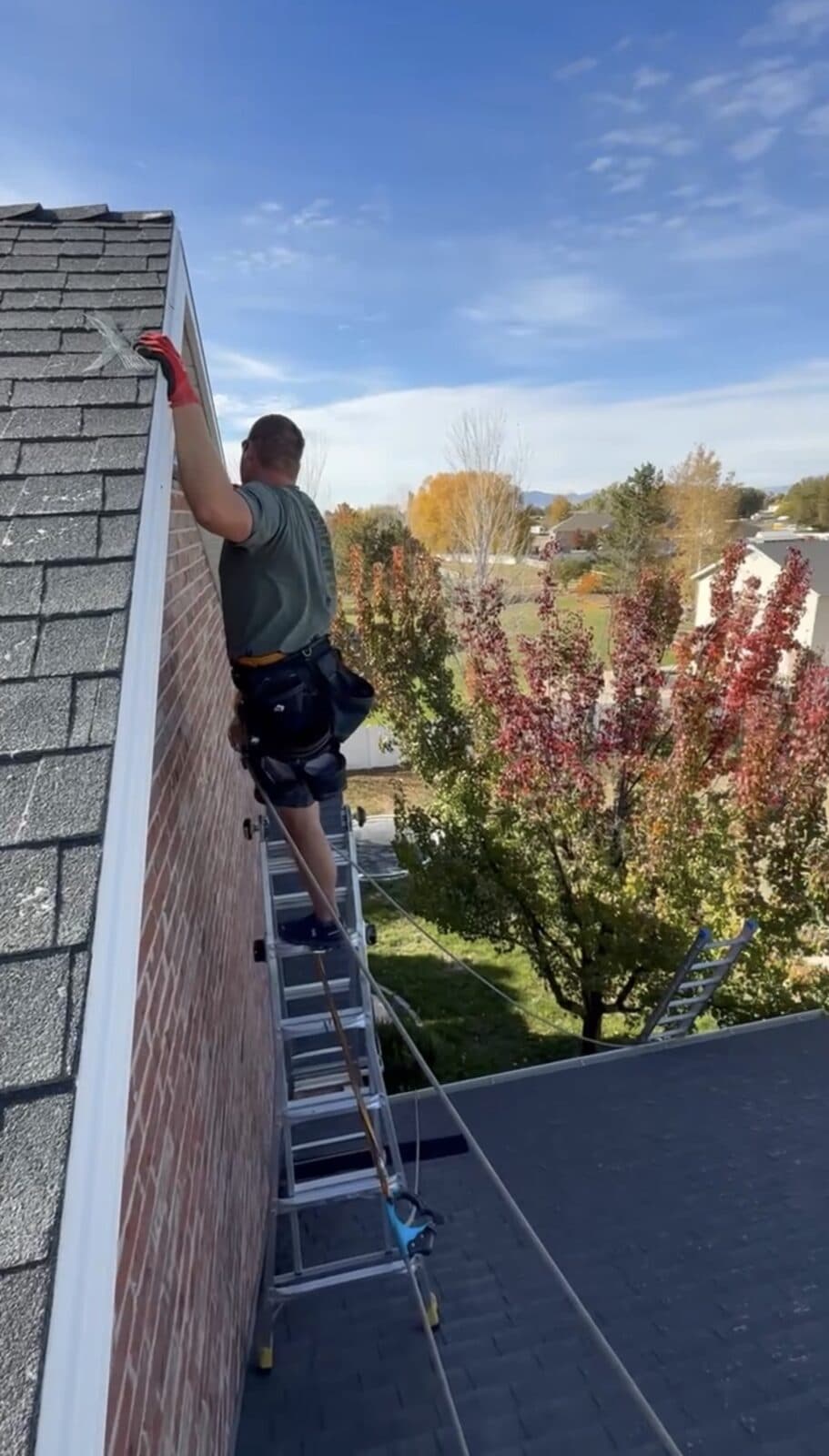
- High-rise / rope-access capacity for elevated buildings
- We finish failed prior jobs—remove old foam and devices
- Two-year written warranty on sealed whole-structure work
- Local owners, California coverage, backed by a multi-state team
Typical Newport Beach jobs start with a phone consultation, then an attic inspection, followed by humane exclusion and optional guano cleanup. Commercial properties can use our commercial bat removal program.
Newport Beach bat removal FAQ
Newport Beach & nearby coast
- Costa Mesa bat removal
Orange County
- Irvine bat removal
Orange County
- Huntington Beach bat removal
Orange County coast
- Laguna Beach bat removal
Orange County coast
- Fountain Valley bat removal
Orange County
- Dana Point bat removal
South Orange County coast
- All service areas
Southern California hub
- Bat removal service
Residential & commercial
- Fall & winter bat exclusion
California exclusion timing
- Are bats protected in California?
Bat laws & legal removal
- Bat eviction season checker
Is it safe to exclude now?
- Signs you have bats
Interactive checklist
- How we work
Process steps
- Warranty
Two-year coverage
- FAQ
Common questions
Bat problems in Newport Beach? Let's talk.
Humane exclusion for Newport Beach and the surrounding Orange County coast. Two-year written warranty on whole-structure work. Same-day often available across Southern California.