
Orange County · California
Bat removal in Irvine, California
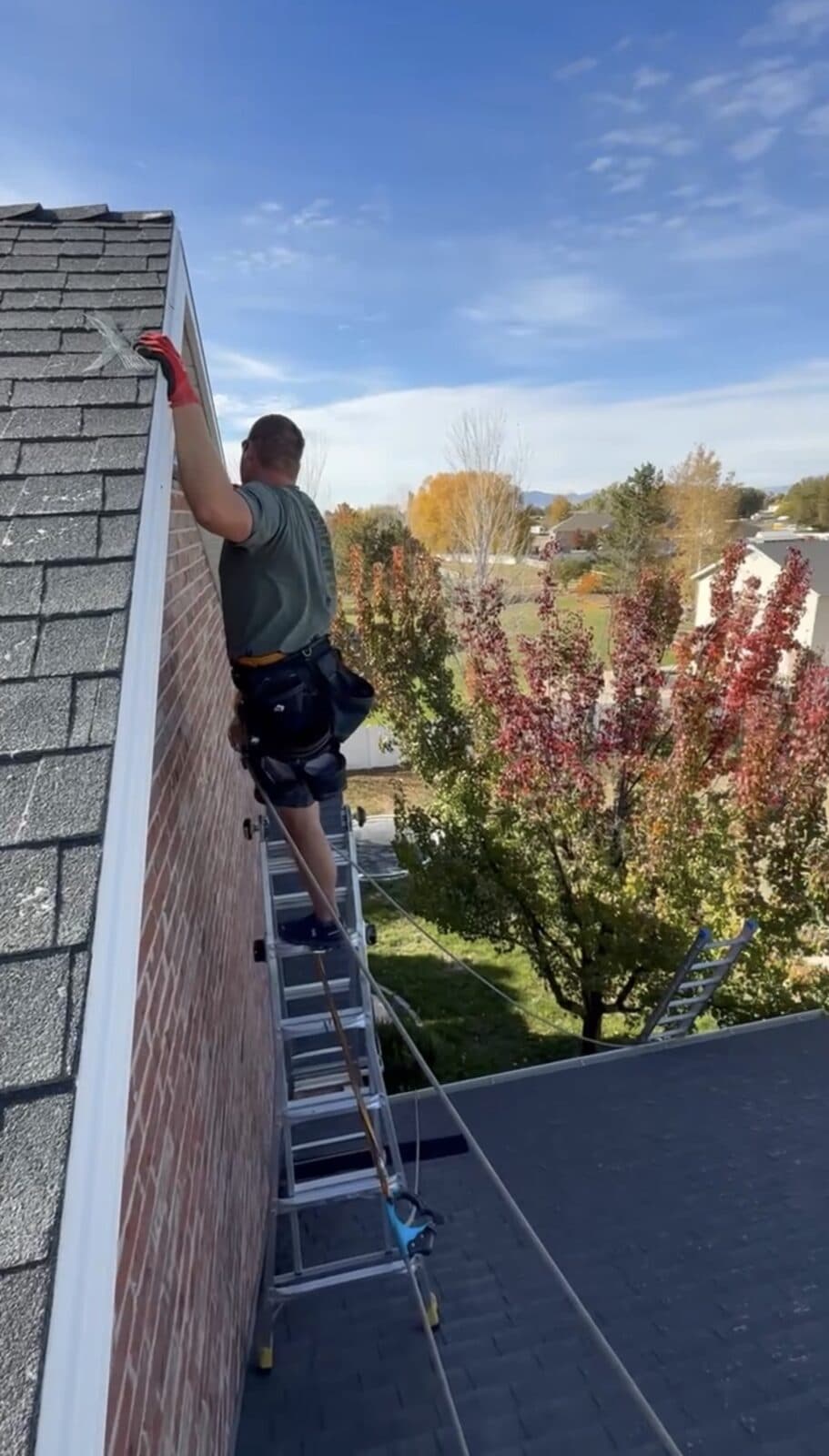
Hearing scratching above a Woodbridge ceiling at dusk? Finding droppings on a Northwood patio under the concrete-tile eaves, or a bat inside a Turtle Rock or Great Park townhome? California Bat Removal Pros provides humane bat removal across Irvine—inspection, one-way exclusion, sealing with custom inserts (not spray foam) and optional attic guano cleanup, with a two-year written warranty on whole-structure work and photo documentation for HOAs.
Are there bats in Irvine?
Yes. Sea and Sage Audubon, which is headquartered at the San Joaquin Wildlife Sanctuary in Irvine, says sixteen bat species occur in Orange County and names the Mexican free-tailed bat, Yuma myotis and big brown bat as the three most common, all of which roost in buildings as well as natural sites. Its Summer Bat Walks at the sanctuary use bat detectors to follow bats feeding over the ponds after dark. Bats are also showing up in neighborhoods: on Oct. 2, 2026 the OC Health Care Agency announced that a bat found in Irvine on Sept. 28 tested positive for rabies, and the California Department of Public Health's provisional 2026 table lists 31 rabid bats in Orange County from January 1 through October 14. Most residents only notice bats when droppings, an ammonia smell or a dusk fly-out shows up at their own roofline.
We have not found a published bat species list for Irvine buildings; the species below are the ones Orange County and statewide sources describe as building users. The rabies numbers are county-wide lab results, mostly from sick or grounded bats submitted for testing, not a count of how many bats live in Irvine; UC IPM notes that no more than 0.5% of randomly tested bats have been rabid. Which bat is in a particular roof is confirmed at inspection.
Who to call about a bat in Irvine
Irvine runs its own animal services through the Irvine Police Department instead of contracting with OC Animal Care. Irvine Animal Services (949-724-7092) works 7 days a week, 6 a.m.–10 p.m.; IPD dispatch for calls for service is 949-724-7200. The OC Health Care Agency and OC Animal Care's bat advice applies county-wide: never touch a bat, even one that looks dead. If you find a bat inside and did not see it come in, don't release it. Close off the room, and if it is safe, cover the bat with a box or bucket, keep people and pets away, and call animal services so it can be collected and tested. If anyone was bitten, scratched or may have had contact with a bat, wash the area with soap and water, get medical care promptly, and call the OC Health Care Agency's Communicable Disease Control Division at 714-834-8180 to assess the rabies risk. Pets that may have had contact should see a veterinarian.
Bat species most relevant to Irvine buildings
- Mexican free-tailed bat (Tadarida brasiliensis): One of the three most common bats in Orange County according to Sea and Sage Audubon, and on UC IPM's list of bats most likely to use structures in California cities. Colonies favor tight, hot gaps such as open concrete-tile ends, ridge-cap ends and expansion joints on flat commercial roofs, which describes a lot of Irvine's building stock.
- Yuma myotis (Myotis yumanensis): Another of Orange County's three most common bats. Sea and Sage Audubon says it forages mainly over calm water in the first two hours after sunset in spring and summer and roosts in buildings and bridges, which makes homes near the San Joaquin Marsh, San Diego Creek and the Woodbridge lakes relevant.
- Big brown bat (Eptesicus fuscus): The third of Orange County's most common bats. Sea and Sage Audubon says it forages within a few kilometers of its day roost and roosts in buildings, bridges, tree cavities and caves. UC IPM lists it among urban building bats; it is a classic attic and wall-void species.
- Other Myotis and the pallid bat (Myotis spp., Antrozous pallidus): UC IPM includes other Myotis species and the pallid bat, California's state bat (CDFW), among the bats that frequently use attics and barns in California. We have not found an Irvine-specific record for these in buildings, so they are listed for completeness; species are confirmed on site.
More detail: California bat species guide.
Where bats get into Irvine homes and buildings
Irvine's Land Use Element says the city was master planned in the 1960s and has grown into 30 villages since incorporating in 1971, so most homes are 1970s-and-later stucco with concrete tile, and many are attached townhomes and condos. UC IPM lists the usual colony entry points as beneath eaves, around chimneys, around air and plumbing vents, near loose boards, beneath roof caps and through holes other animals have made, says bats can squeeze through openings as small as 1/4 inch, and notes that open tile ends can be closed with tightly fitted bird-stop strips. On Irvine buildings we check first:
- Open or broken bird stops at concrete S-tile and flat-tile eave ends, the most common Irvine entry
- Ridge-cap ends, hip transitions and tile-to-stucco joints on two-story village homes
- Fascia-to-stucco gaps and aging builder vent screens on 1970s–80s Woodbridge, Northwood and University Park homes
- Shared attics, party-wall transitions and long eave runs on HOA townhome and condo buildings, where every unit's openings have to be mapped together
- Parapet caps, coping and expansion joints on flat-roof office, lab and retail buildings in the Irvine Business Complex, the Spectrum and near UC Irvine
When bats are most active around Irvine
- Spring and summer (maternity)
- UC IPM says female bats form colonies in spring to give birth and raise their young, and that flightless young may be present usually from May through September in California. Bat Conservation International puts pup-rearing at roughly April through September for North America. This is when roosts in buildings are busiest, and when colony exclusion should wait.
- Warm evenings near water
- Sea and Sage Audubon's Summer Bat Walks run on Saturday nights in August and September at the San Joaquin Wildlife Sanctuary, where bats feed on flying insects over the ponds. The Irvine Ranch Water District says the marsh covers more than 300 acres of freshwater wetlands and receives 95% of the dry-weather runoff in San Diego Creek. Yuma myotis feed mainly over calm water shortly after sunset, and Mexican free-tailed bats emerge shortly after dusk.
- Fall and winter (the usual exclusion window)
- UC IPM notes that most bats leave buildings in late fall in most areas, which makes winter a good time for exclusion. Irvine winters are mild, so we inspect first. UC IPM says no pesticides or chemical repellents are registered in California for bats, and OC Animal Care says it is illegal for the public to kill, harm or keep a bat, so we use one-way devices followed by permanent sealing; no bat is sealed inside.
Planning an exclusion? See our fall and winter bat exclusion guide, the maternity season guide or the bat eviction season checker. For what California law allows, read are bats protected in California?
Nearby city pages: Tustin bat removal, Santa Ana bat removal, Costa Mesa bat removal, Newport Beach bat removal, Mission Viejo bat removal, Orange bat removal, Anaheim bat removal. This Irvine page covers the whole city, from University Park, Turtle Rock and Woodbridge to Northwood, Portola Springs, Orchard Hills and the Great Park neighborhoods, plus the Irvine Business Complex and the Spectrum. Many Irvine homes are governed by HOA architectural rules, so we document the scope with photos and match closures to the existing tile, stucco color and trim.
Sources
- Sea and Sage Audubon: Discover Bats in Orange County
- Sea and Sage Audubon: Summer Bat Walks (San Joaquin Wildlife Sanctuary)
- Irvine Ranch Water District: San Joaquin Marsh
- OC Health Care Agency: Bat Found in Irvine Tests Positive for Rabies (Oct. 2, 2026)
- CDPH: Reported Animal Rabies by County & Species, 2026 (provisional)
- City of Irvine: Animal Services (Irvine Police Department)
- City of Irvine: General Plan Land Use Element
- OC Animal Care: What to Do If You Find a Bat (flyer)
- UC IPM Pest Notes: Bats
- CDFW: Human-Wildlife Conflicts, Bats
- Bat Conservation International: Bats in Homes & Buildings
Irvine roof types & where bats get in
Master-planned villages built since the 1970s with concrete S-tile and flat-tile roofs, stucco walls, and HOA-maintained townhome and condo blocks.
Entry points we check first on Irvine homes:
- clay or concrete tile ridge and eave closures (bird stops missing or broken)
- ridge vents and the ends of ridge caps
- gaps where fascia board meets stucco or the roof deck
- gable and attic vents with torn or missing screens
- stucco weep screed separations at the foundation line and wall-to-roof transitions
Bats can fit through gaps of about 3/8 inch (California Dept. of Food & Agriculture vertebrate pest handbook). Not sure? Use our signs-you-have-bats checklist.
Irvine climate & bat season
Irvine sits between coastal and inland climates: cooler near UCI and warmer toward the foothills. Concrete tile rooflines with missing bird stops are a common summer roost.
Maternity season rules for Irvine bat exclusion
California treats bats as protected nongame mammals, so they may not be killed, poisoned or trapped. Exclusion is the humane, legal route. UC IPM advises against excluding colonies when flightless young could be present, usually May through September in California, because the parents get shut out and the pups starve inside the walls. We inspect and plan during that window, then exclude once the pups can fly. Fall, winter and early spring are the usual exclusion months. The CDFW bats page covers safety and conflict guidance, and you can report a colony to CDFW. Timing source: UC IPM bats. Guano health: CDC on histoplasmosis.
Planning for this fall or winter? Read our fall and winter bat exclusion guide for California timing, and are bats protected in California? for what the law allows.
Is it safe to evict bats now? Check the seasonLocal housing & attic patterns in Irvine
Irvine is one of the largest master-planned cities in the country. The City’s Land Use Element says The Irvine Company master planned it in the 1960s, that it incorporated in 1971 with about 28 square miles and 20,000 people, and that it has grown into a city of villages—30 of them by the City’s count—each with its own parks, schools and shopping. That history shapes the roofs: most Irvine homes are 1970s-and-later stucco houses, townhomes and condos with concrete S-tile or flat tile, ridge caps, fascia-to-stucco joints, stucco weep screeds and builder vent screens that age out. Bats use the open tile ends at the eaves where bird stops are missing or broken, the ends of ridge caps and gaps where fascia meets stucco. Attached product and shared attics are common, so we map the whole building, not just one unit. The Irvine Business Complex, the Spectrum and campus-edge buildings add flat roofs with parapets and expansion joints. UC IPM says the bats that most often use structures in California urban areas are Mexican free-tailed bats, big brown bats, Yuma myotis and other Myotis, and pallid bats; we confirm the species and every entry point at inspection.
Bat seasonality around Irvine
UC IPM advises against excluding a colony while flightless young may be present, usually May through September in California, and notes that most bats leave buildings in late fall, so late fall and winter are the usual Irvine exclusion window. Bats are active here in the warm months—Sea and Sage Audubon runs summer bat walks at the San Joaquin Wildlife Sanctuary in Irvine, where bats feed over the ponds after dark—and the OC Health Care Agency announced on Oct. 2, 2026 that a bat found in Irvine on Sept. 28 tested positive for rabies. Winters are mild, so a bat can still turn up in a heated building; call any month if you hear scratching, smell ammonia or find guano.
Neighborhoods & landmarks we know
We cover every Irvine village, including University Park, Turtle Rock, Woodbridge, Northwood, Westpark, Oak Creek, Quail Hill, Shady Canyon, Portola Springs, Orchard Hills, Woodbury, Stonegate, Cypress Village and the Great Park neighborhoods, plus commercial roofs in the Irvine Business Complex, the Spectrum and near UC Irvine. The City says nearly a third of its land is designated conservation or open space. Foraging habitat close to homes includes the Irvine Ranch Water District’s San Joaquin Marsh, more than 300 acres of freshwater wetlands fed by San Diego Creek, and the open space and canyons along the city’s southern hills. Nearby city pages cover Tustin, Santa Ana, Costa Mesa, Newport Beach and Mission Viejo.
Why hire a local Southern California crew
Irvine boards, management companies and homeowners expect clear scopes, numbered photo logs and repairs that disappear from the curb. We map the full envelope of attached buildings so exclusion on one unit does not push bats next door, time work around CDFW-aware maternity windows, and seal concrete tile, ridge and stucco details with custom inserts and clear products instead of foam that breaks down in Orange County sun.
- Bat specialists since 2011 — bats are our flagship service
- Documented inspection: openings numbered, photographed, primary vs. secondary
- Targeted repair or whole-structure seal (warranty on whole-structure)
- Humane one-way exclusion · maternity timing per UC IPM (usually May–September)
- High-rise / rope-access capacity for elevated buildings
- We finish failed prior jobs—remove old foam and devices
- Two-year written warranty on sealed whole-structure work
- Local owners, California coverage, backed by a multi-state team
Typical Irvine jobs start with a phone consultation, then an attic inspection, followed by humane exclusion and optional guano cleanup. Commercial properties can use our commercial bat removal program.
Irvine bat removal FAQ
Irvine & nearby OC cities
- Tustin bat removal
Orange County
- Santa Ana bat removal
Orange County
- Costa Mesa bat removal
Orange County
- Newport Beach bat removal
Orange County coast
- Mission Viejo bat removal
South Orange County
- Anaheim bat removal
Orange County
- All service areas
Southern California hub
- Bat removal service
Residential & commercial
- Fall & winter bat exclusion
California exclusion timing
- Are bats protected in California?
Bat laws & legal removal
- Bat eviction season checker
Is it safe to exclude now?
- Signs you have bats
Interactive checklist
- How we work
Process steps
- Warranty
Two-year coverage
- FAQ
Common questions
Bat problems in Irvine? Let's talk.
Humane exclusion for Irvine and the surrounding Orange County. Two-year written warranty on whole-structure work. Same-day often available across Southern California.